


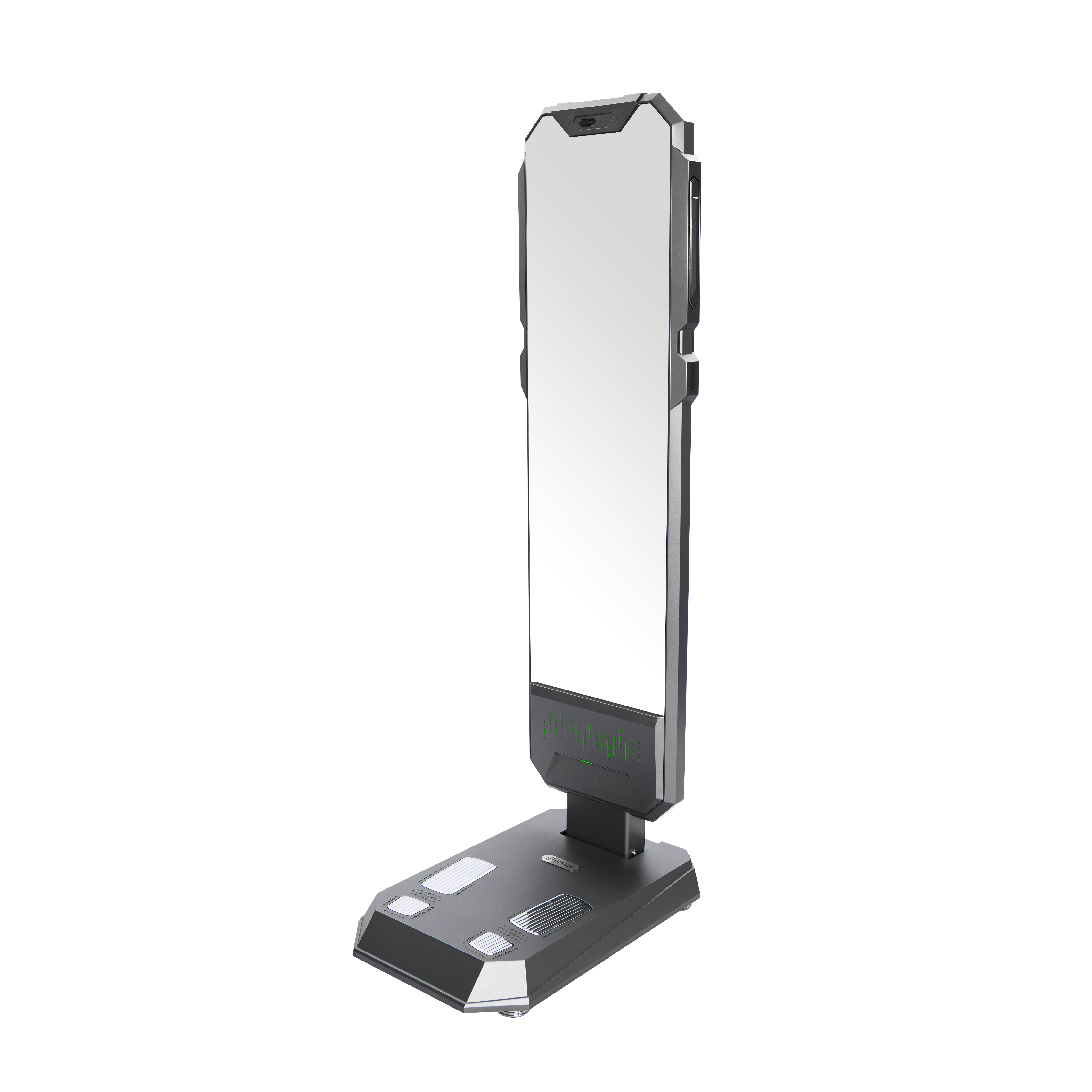



In healthcare, knowing a patient's weight compared to their height matter a lot. This is where Body Mass Index, or BMI, come into play. BMI help doctors and providers check if someone are underweight, healthy weight, overweight, or obese. But BMI is only a number. To give better care, providers need tools that show the whole picture. YOUJOY provide BMI-based risk tools that assist doctors in making good decisions for patients. These BMI body scanner look at other things like age, sex, and lifestyle, so providers can offer the best advice and treatment to each person.
When picking the right BMI-based risk tools for your practice, think about what suit your patients best.
First, find one thats easy to use. If its too complicated, it might not get used much. YOUJOY’s tools are made user-friendly, meaning providers can get info quick. Next, look at the features. Does it show other health risks besides weight? A good tool should connect weight to stuff like heart problems or diabetes. It should let you track changes too. For example, if a patient lose weight, you want to see if that help their health overall. Also, think how the tool fits your current setup. If it don't work with what you have, it could cause mix-ups. Lastly, check for support. YOUJOY offer customer help to learn the tools well. This matter, specially with new updates. A good tool is nice, but support make it better.
BMI-based risk tools can really change how patients think about their health. When providers use them, they can give better suggestions. For instance, if a patient at risk for diabetes from BMI, the provider can suggest diet or exercise changes. This help the patient feel more part of their health path. They might make changes easier if they get the risks. So, these tools help doctors spot issues early. If BMI is rising, it could mean they need help before big problems come. YOUJOY’s BMI analysis machine give info that start talks between patients and providers. This lead to better understanding of goals and make a plan together. Whether changing eating or more activity, a clear view of risks can push patients to act. In turn, this bring better health results, making patients feel stronger in their way to healthier life.
Common Usage Problems with BMI-Based Risk Tools and How to Fix Them
BMI, or Body Mass Index, is something many doctors use to check healthy weight. It a simple calc from height and weight. While BMI can show if someone might have weight health issues, there are problems with it. One main issue is BMI don't think about muscle mass. For example, a muscular athlete might have high BMI cause muscle heavier than fat, but they not unhealthy. Another problem, BMI ignore different body types. Some people naturally bigger or smaller, and BMI might not tell full story. Also, BMI don't check where fat sit on body. Some have normal BMI but fat around belly, which dangerous for health. To fix these, providers can use BMI with other things. They can measure waist to see belly fat. They can look at age, sex, activity too. At YOUJOY, we think its key for doctors to see whole picture. This mean mix BMI with other health info for better choices. Education important too. Doctors should explain what BMI mean and why its just one part of health. This way, patients take control and not focus only on number. By using BMI smart and with other tools, providers can give better care.
What Make BMI-Based Risk Tools Key for Modern Healthcare?
BMI-based risk tools are key in todays healthcare. They help doctors quick see if person have weight-related health problems. This useful cause many people deal with obesity or underweight issues worldwide. Knowing risks early can help make plans to keep patients healthy. BMI easy to calc, and it starts talks about weight and health. When doctors know BMI, they can discuss lifestyle, like eating and exercise. At YOUJOY, we believe these talks essential. They lead to better habits and health. Another reason, these tools track community health trends. For example, officials can check average BMI in areas to see where help needed. This can start community programs for healthy eating and activity. Finally, BMI help make guidelines for insurance and plans. Knowing BMI can decide best tests or treatments. This mean patients get right care when needed. In short, BMI body scan tools essential cause they start health talks, track trends, and guide plans. With BMI, providers serve patients better and improve health for all.
What the Latest Trends in BMI-Based Risk Tools for Providers?
In recent years, there exciting trends in how providers use BMI-based risk tools. One big trend is tech. Many doctors use apps and online stuff to calc BMI fast. These can give more, like healthy recipes or exercise ideas based on BMI. At YOUJOY, we see this tech as special way to make health easier and fun for everyone. Another trend, focus on personal care. Instead of just BMI numbers, doctors consider genetics and lifestyle. This give fuller health view. Some clinics use body tests for fat and muscle, not just weight. This help tailor advice. There growing aware of mental health link to weight. Some providers add mental screenings with BMI talks. This mean understand how person feel about body, which affect health. Finally, push for community work. Providers team with schools and groups to promote habits. This include events like walks or cooking classes for healthy eating and activity. These trends show providers getting more caring with BMI tools. By using tech, personalizing, minding mental health, and involving communities, healthcare get better.