




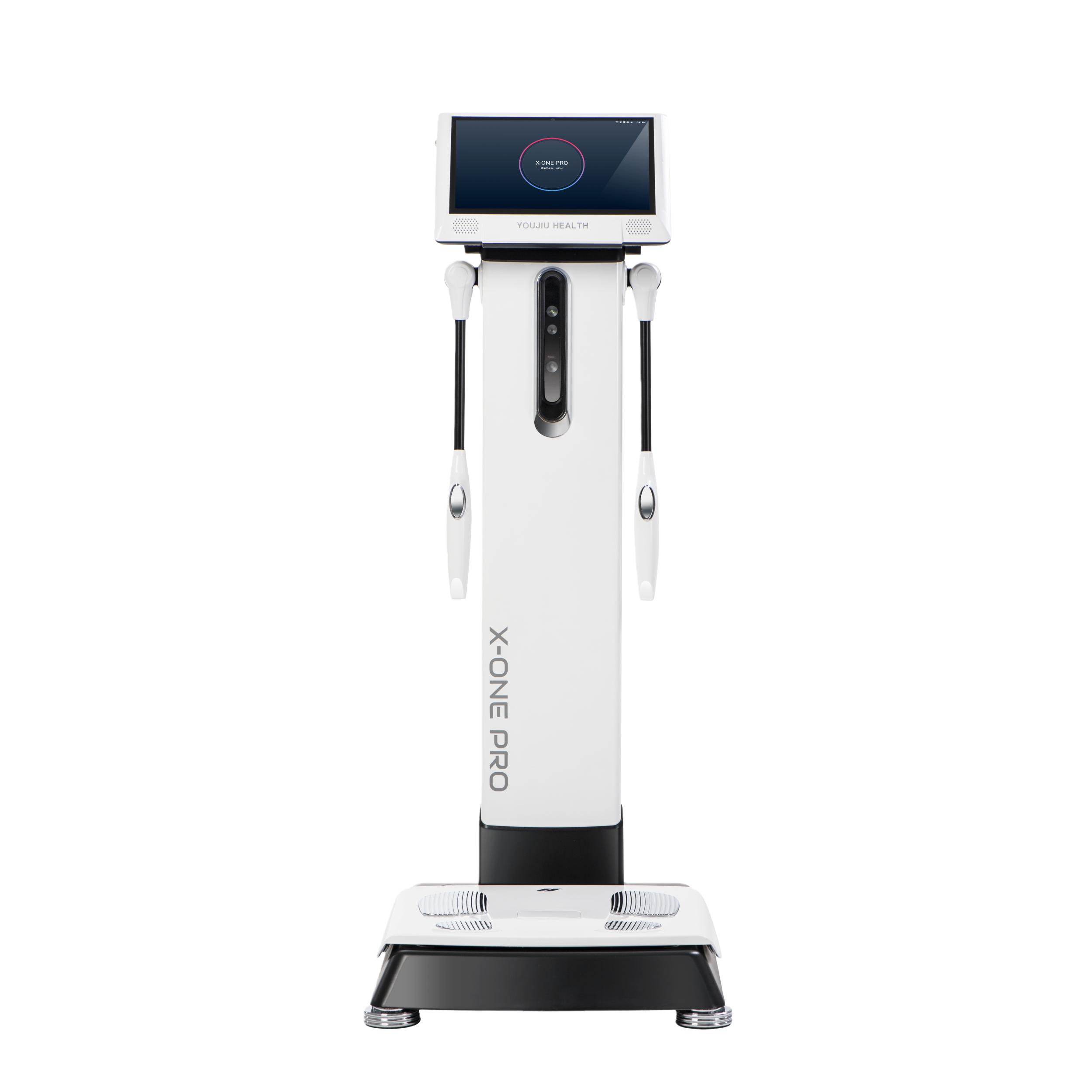
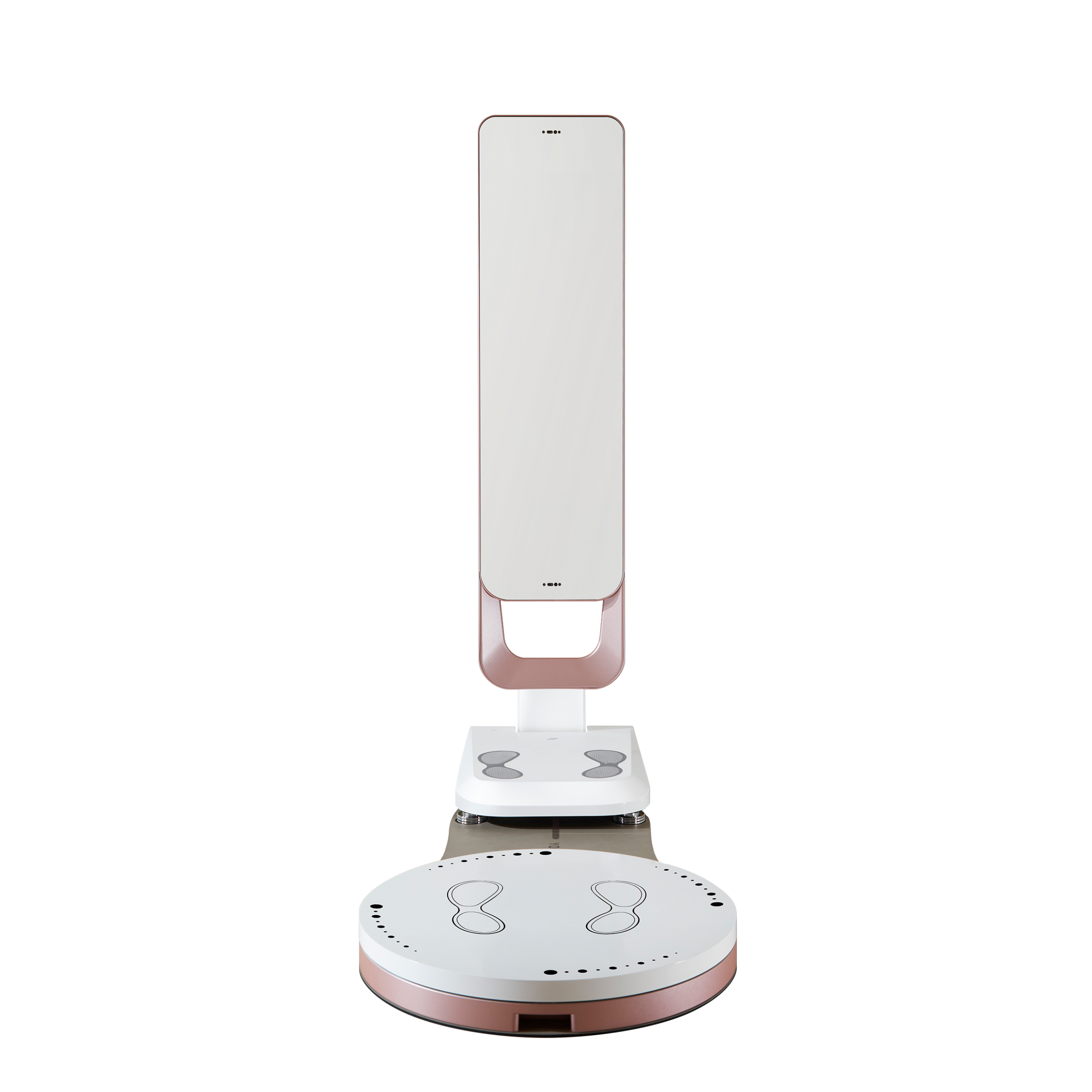
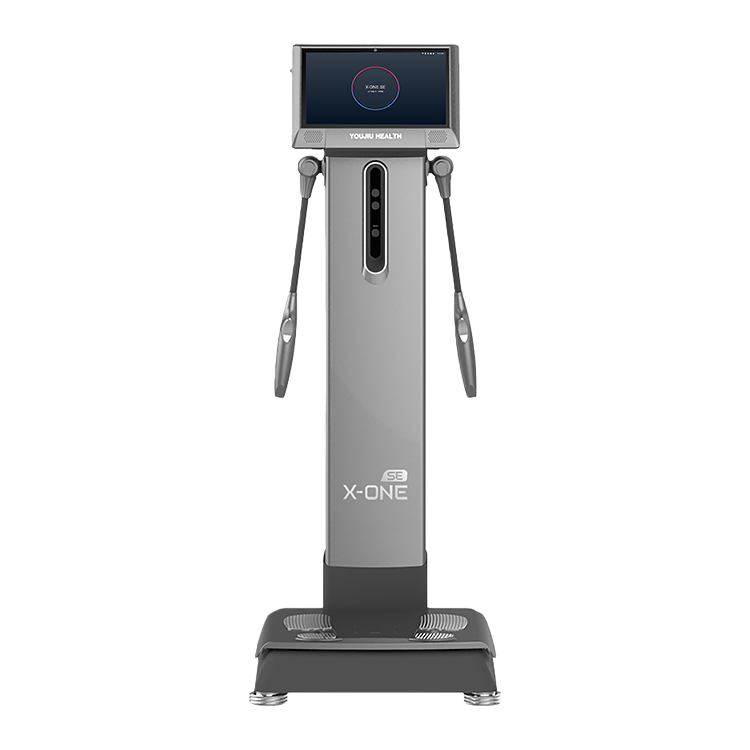
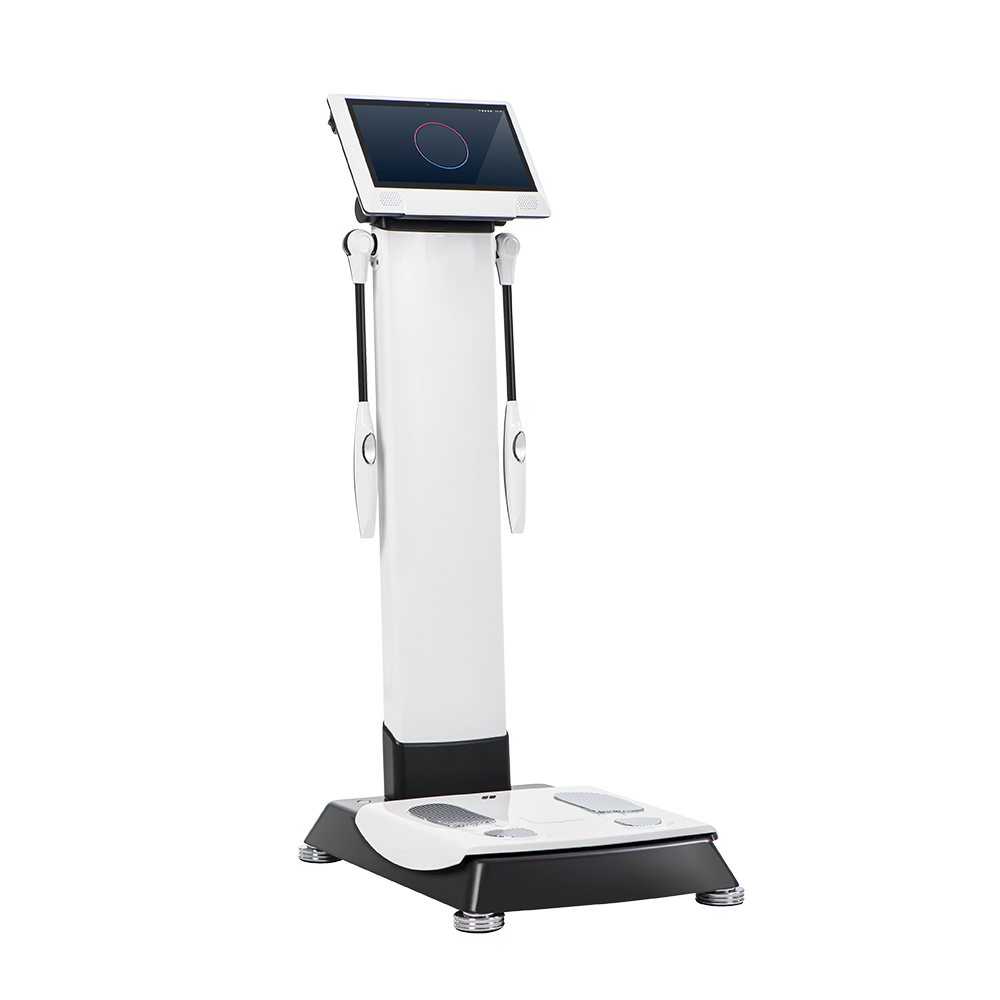
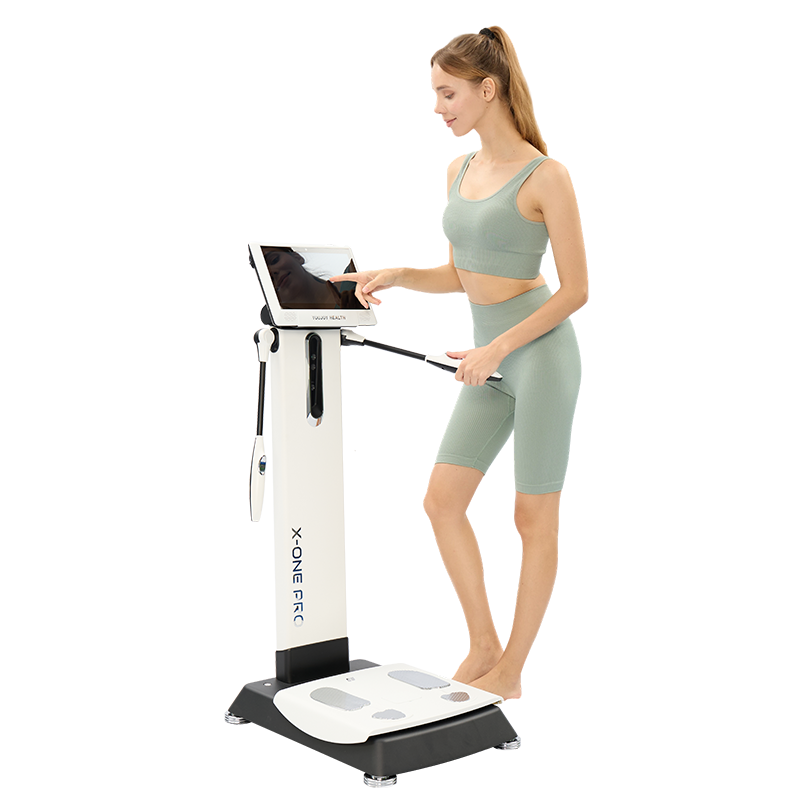
When it comes to pro Body Impedance Analysis (BIA) devices, accuracy is really important. These machines help folks figure out their body makeup, like amount of fat, muscle, and water inside. This info can be handy for sports people, coaches, and doctors too. But if the numbers from these devices aren't right, it might lead to bad ideas about someone's health. YOUJOY get how key accuracy are, and we like to share some main points on data accuracy rules for BIA devices and how you can pick a dependable one.
What Are the Main Data Accuracy Rules for Pro BIA Devices?
Accuracy in BIA machines get measured by how near the results are to real values. There are a few key rules that these devices should follow to keep things precise. First off, makers usually stick to special guides from health groups. These guides help build devices that give steady and right readings. Another big thing is calibrating the device. Calibration is like adjusting a music tool; it have to happen often to ensure the machine gives correct outcomes. For instance, a bioelectrical impedance analysis bia device device might need tune-up every couple months depending on use. Then, the sensor quality matter a lot because they affect directly how good the device measures body parts. Bad sensors can lead to wrong info, which mislead users on their health. In addition, the place where you use the device can change results too. Things like temp and moistness can alter readings, so it's better to use it in a steady spot. Finally, the person's water level in body can affect the BIA accuracy. It's key to follow the guide, like staying hydrated or skip eating and workout before check. When all this come together, you have a BIA device that offer true and reliable results.
How to Get High Data Accuracy When Buying Your BIA Device?
So when you buy a BIA device, it's crucial to think about some factors to make sure you get one with good data accuracy. First, check out the brand. YOUJOY work on making devices that hit high accuracy levels. Reading user reviews and stories can show you how the device do in real life. Don't just look at features; see what people say about the preciseness of results. Another tip, see if the device got tested and certified by health org. Certs are a solid sign it meets or beats accuracy rules. You should also note the tech type in the device. Some use special tech to measure body better. Like, ones with many frequencies give deeper info than single ones. It's wise to ask on warranty and support too. A strong warranty protect your buy, and good service help if you got questions on using it. Finally, think where you'll use the BIA device. If for gym or clinic, make sure it fit that setting and handle lots of use. By doing these, you can pick a BIA device that meet needs and give the right data you want.
Where to Find Reliable Bioelectrical Impedance Analysis (BIA) Devices with Accurate Results
When looking for dependable Bioelectrical Impedance Analysis (BIA) device, know where to get the best that provide accurate info. A fine start is online shops for health and fit products. They usually have lots of BIA choices. To ensure it work good, check customer feedbacks. When folks share stories, it help you see if accurate and simple to handle. Another option is health trade shows. There, you can view products up close and ask experts. You might meet reps from YOUJOY, who explain how their machines work and why reliable. That's why ask about the tech in BIA devices. Good ones often use advanced stuff, like multi-freq checks, for better outcomes. Also check if tested by outside groups. This mean independant check for true readings. When you find one with nice reviews, from trusted shop, and tested for accuracy, you can feel sure it's a smart pick for health.
How to Choose Wholesale BIA Devices That Meet Strict Data Accuracy Standards
Picking wholesale BIA devices that hit strict data rules can be tricky, but ways to simplify it exist. First, seek suppliers who care about quality. Ensure they got good name in the field. A solid supplier will share details on how devices are built and checked. You can request certs showing they meet health and safe standards. This give you calm that devices are safe and work well. When viewing wholesale picks, consider how many you need and key features for you. For example, if for gym or clinic, want ones that store data for many users or link to apps. Think price too, but cheapest ain't always best. Sometimes pay more get a device that perform better and last. Companies like YOUJOY have various wholesale choices, so find what suit you. Finally, ask questions freely. Good supplier will help understand products and pick right one.
Key Features to Look for in a High-Accuracy BIA Device
When getting BIA device with top data accuracy traits, know what to seek. One main trait is the tech inside. Look for ones using multiple frequencies to check body makeup. This help give more right readings. You should see if it has easy-to-use screen. Simple setup make it simpler for anyone, expert or newbie. Another part is ability to save and follow data over time. Some BIA machines can record your checks, so track progress. This useful for those improving health and fit. YOUJOY often put focus on these to make products effective and simple. It's good to find devices recommended by health pros. If docs or trainers back it, they usually trust for accurate results. Finally, look at warranty and support from company. Solid warranty guard your spend, and support help with issues or questions. With this in mind, you can get BIA devices that fit needs and give best data accuracy for your health path.
Table of Contents
- What Are the Main Data Accuracy Rules for Pro BIA Devices?
- How to Get High Data Accuracy When Buying Your BIA Device?
- Where to Find Reliable Bioelectrical Impedance Analysis (BIA) Devices with Accurate Results
- How to Choose Wholesale BIA Devices That Meet Strict Data Accuracy Standards
- Key Features to Look for in a High-Accuracy BIA Device