


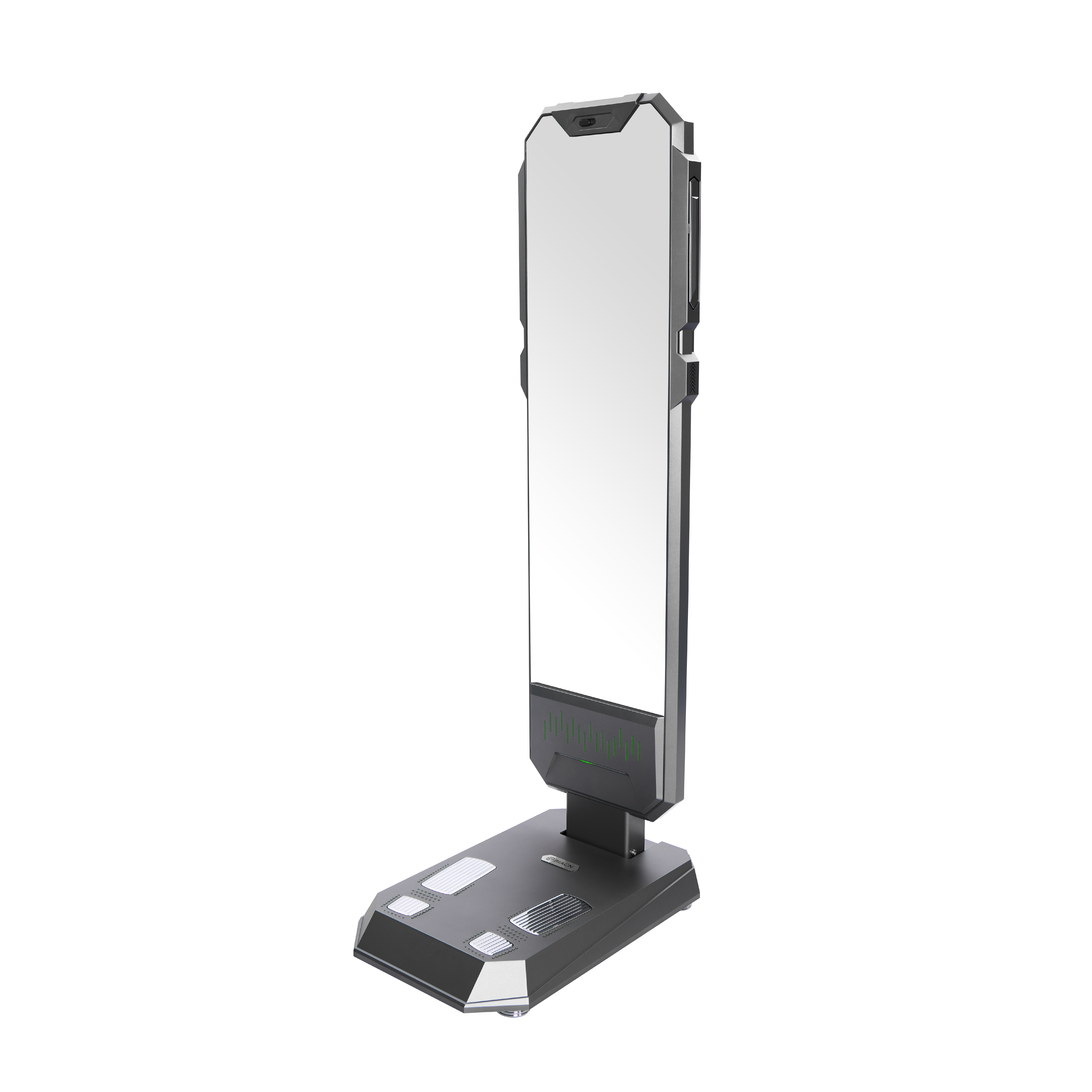



Understanding electrode contact quality is crucial for distributors operating in the health testing and assessment sector. This quality directly impacts after-sales support, influencing customer satisfaction and product reliability. By focusing on the importance of electrode contact quality, this article addresses key concerns for purchasing managers and distributors, providing insights into how to mitigate after-sales problems through informed product selection.
How Electrode Contact Quality Impacts After-Sales Support for Distributors
Electrode contact quality plays a vital role in the performance and longevity of health testing equipment. Low-quality contacts can lead to inaccurate readings, increased maintenance needs, and eventual product failure, all of which can frustrate customers and disrupt distributors' operations. A distributor's reputation hinges on the reliability of the equipment they provide, making it essential to understand how electrode contact quality affects overall bioelectrical impedance analysis test performance.
When customers experience issues with electrode contacts, it often leads to costly returns and repairs, eroding trust in the distributor. By prioritizing high-quality electrode contacts, distributors can significantly reduce the frequency of these issues, enhancing customer satisfaction and fostering long-term relationships. Moreover, reliable equipment reduces the need for extensive after-sales support, allowing distributors to focus on growing their business rather than managing complaints.
The Role of Electrode Contact Quality
Electrode contacts are the components that ensure accurate signal transmission in health assessment devices. The quality of these contacts can determine the reliability of bioelectrical impedance analysis (BIA) systems and other testing equipment. High-quality contacts are typically made from conductive materials that resist oxidation and wear, which ensures consistent performance over time.
Material selection is critical; using inferior metals can lead to increased resistance, affecting the accuracy of readings and potentially leading to false results. Additionally, the manufacturing process—such as how the contacts are assembled—can influence their performance. For example, soldering techniques and surface treatments can enhance conductivity and durability, ultimately impacting the user experience.
Distributors must evaluate the specifications of electrode contacts, including their material composition and the manufacturing processes employed. By aligning these specifications with customer requirements, distributors can better meet market demands and uphold their brand reputation.
Common Problems with Electrode Contact and Their Solutions
Several common issues arise with electrode contacts that distributors should be aware of:
Oxidation: Exposure to moisture and air can lead to corrosion, resulting in poor conductivity. This can be mitigated by using materials with inherent anti-corrosive properties or applying protective coatings.
Wear and Tear: Frequent use can degrade electrode contacts, reducing their effectiveness. Distributors should educate customers on best practices for handling and maintaining equipment to prolong the lifespan of electrode contacts.
Poor Connection: Inadequate contact pressure can lead to inconsistent readings. Ensuring that the electrodes are designed for optimal pressure distribution helps maintain reliable connections.
By addressing these issues proactively, distributors can enhance the reliability of their products and reduce the frequency of after-sales problems.
The Importance of High-Quality Electrode Contacts
High-quality electrode contacts are essential for ensuring accurate measurements in health testing equipment. They influence not only the performance of the device but also the trust customers place in the results. When distributors provide equipment that consistently delivers accurate readings, they establish a reputation for quality that can lead to repeat business.
Furthermore, high-quality contacts contribute to reduced maintenance and operational costs. When devices function reliably over extended periods, customers are less likely to encounter issues that necessitate technical support or replacements. This allows distributors to maintain lower operational costs and improves customer satisfaction.
Investing in high-quality electrode contacts also facilitates compliance with industry standards, such as ISO certification, which is critical for manufacturers like Youjoy Health. Compliance not only enhances bia body fat test credibility but can also open doors to new markets and customer segments.
Applications of Electrode Contacts in Health Testing Equipment
Electrode contacts are integral to various health testing applications, including body composition analysis and posture assessment. In BIA systems, for instance, electrodes measure the impedance of body tissues, providing critical insights into body fat percentage, muscle mass, and hydration levels. The accuracy of these measurements depends significantly on the quality of the electrode contacts.
In posture analysis devices, electrode contacts must maintain consistent performance to provide reliable feedback to users. Any degradation in contact quality can lead to incorrect assessments, undermining the equipment's effectiveness. Therefore, understanding the specific applications of electrode contacts helps distributors ensure their bioelectrical impedance test meet the rigorous demands of health testing.
Customization options are also important. Depending on the application, electrode contacts may need to be tailored for various testing environments or user conditions. Distributors should be prepared to discuss these customization capabilities with potential buyers to align with their specific needs.
electrode contact quality is a critical factor that directly influences the reliability of health testing equipment. Distributors who prioritize high-quality contacts can significantly reduce after-sales problems, enhance customer satisfaction, and foster long-term relationships. By understanding the implications of contact quality, distributors can make informed purchasing decisions that align with market demands and customer expectations.