





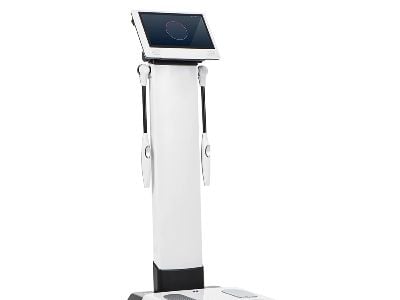
Fitness clients often feel more excited and motivated when they see their own segmental fat data. This information shows them how much fat is in different parts of their bodies, like their arms, legs, and belly. When clients can see these numbers, it helps them understand where they need to improve. They can set clear goals for themselves, and that makes them want to work harder. At YOUJOY, we know that having this data can make a big difference for clients. It turns numbers into a personal story about their health and fitness journey.
How Segmental Fat Analysis Boosts Client Engagement in Fitness?
When clients see their segmental fat data, they feel like they are part of something special. They can compare their body fat in different areas, which helps them notice changes over time. For example, if a client sees that their belly fat is decreasing, they feel proud and want to keep going. This sense of achievement can be a powerful motivator. Clients are more likely to say yes to fitness programs or classes when they see real progress in their own data. Seeing numbers on a screen can make fitness feel more real. Instead of just guessing about how they're doing, clients have clear proof of their hard work. They can even set specific goals for different body parts, like wanting to lose fat in their arms or legs. This personal connection to their data makes them more engaged in their fitness journey. At YOUJOY, we believe that segmental fat analysis is a key tool for keeping clients excited and committed. It’s not just about numbers; it’s about helping people feel good about themselves.
What Makes Segmental Fat Data Essential for Wholesale Fitness Buyers?
For wholesale fitness buyers, understanding segmental fat data is important too. When gyms and fitness centers have access to this information, they can provide better services to their clients. They can offer tailored fitness programs that focus on specific areas where clients want to improve. This is good for business because happy clients are more likely to stay and recommend the gym to others. Buyers can also choose the right equipment based on what their clients need. For instance, if a gym sees that many clients want to lose belly fat, they might invest in specific machines that target that area. YOUJOY understands that segmental fat analysis helps fitness businesses grow. It allows them to meet the needs of their clients in a more personal way. This data is not just useful for individual clients; it helps create a community where everyone can support each other in their fitness goals. By using segmental fat data, wholesale buyers can make smart choices that lead to happier clients and better results.
Where to Find Accurate Segmental Fat Data for Fitness Clients?
Finding the right information about segmental fat can help fitness clients understand their bodies better. Segmental fat data shows how much fat is in different parts of the body, like the arms, legs, and belly. At YOUJOY, we believe it is important to have accurate data so clients can see their progress and stay motivated. One of the best places to find this kind of information is at fitness centers or gyms that have special machines. These machines use something called bioelectrical impedance analysis, or BIA. It sends a small electrical current through the body to measure fat and muscle. Many gyms have these machines, and fitness trainers can help clients use them.
Another way to find accurate segmental fat analysis is through body composition scales. These scales can be found at home or in fitness stores. When clients step on the scale, it gives them information about their fat and muscle levels in different body parts. However, it’s important to remember that not all scales are the same. Some are more accurate than others, so it is best to look for high-quality ones. Additionally, many fitness apps can also provide segmental fat data. These apps often connect with devices or scales to track body measurements over time. By using these tools, clients can see how their body changes, which can make them feel excited about their fitness journey.
What Common Misconceptions Exist About Segmental Fat Data?
Many people have misunderstandings about segmental fat data. One common misconception is that all fat is bad. While it’s true that too much fat can be unhealthy, some fat is necessary for energy and overall health. Segmental fat data helps clients understand where their fat is and how much they have. This information can guide them in making better choices about their fitness. Another misconception is that losing weight means losing fat in every part of the body equally. This isn’t true. Some people might lose fat from their arms first, while others might lose from their stomach first. Segmental fat data shows clients which areas need more focus during workouts.
Some clients also think that if they see their fat data, they will feel discouraged. But in reality, many feel motivated to improve when they see their numbers. They can set specific goals for different body parts. For example, if someone sees they have more fat in their legs, they might want to do more leg exercises. Understanding segmental fat analysis normal range can help clients see where they are doing well and where they need to work harder. Lastly, some people believe that the data is complicated and hard to understand. At YOUJOY, we make it simple. We explain the numbers in easy terms so everyone can grasp what they mean and how they can use that information.
Where Do Fitness Professionals Source Reliable Segmental Fat Information?
Fitness professionals need reliable information to help their clients succeed. At YOUJOY, we believe that having trustworthy sources is key to effective training. One great source for fitness professionals is scientific studies. Many researchers study body composition and segmental fat to understand how it works. These studies can provide valuable insights into how fat is distributed in the body. Fitness trainers can use this information to create better workout plans for their clients.
Another reliable source is certifications and training courses that focus on body composition. Fitness professionals can attend workshops or online classes to learn how to use tools that measure segmental fat accurately. These courses often teach trainers how to interpret the data and use it to help clients meet their goals. Many trainers also rely on industry standards set by health organizations. These standards give guidelines on healthy fat levels and how to measure them correctly.
Finally, using technology is another way fitness professionals get reliable segmental fat information. Many high-quality machines and scales are available that provide accurate data. Trainers at YOUJOY keep up with the latest tools and technology in the fitness industry to ensure they are using the best resources for their clients. By sourcing reliable segmental fat information, fitness professionals can help their clients make informed decisions about their health and fitness journeys.
Table of Contents
- How Segmental Fat Analysis Boosts Client Engagement in Fitness?
- What Makes Segmental Fat Data Essential for Wholesale Fitness Buyers?
- Where to Find Accurate Segmental Fat Data for Fitness Clients?
- What Common Misconceptions Exist About Segmental Fat Data?
- Where Do Fitness Professionals Source Reliable Segmental Fat Information?