




Multi-Parameter Measurement Made Easy: Why Advanced Microcontroller Integration Matters
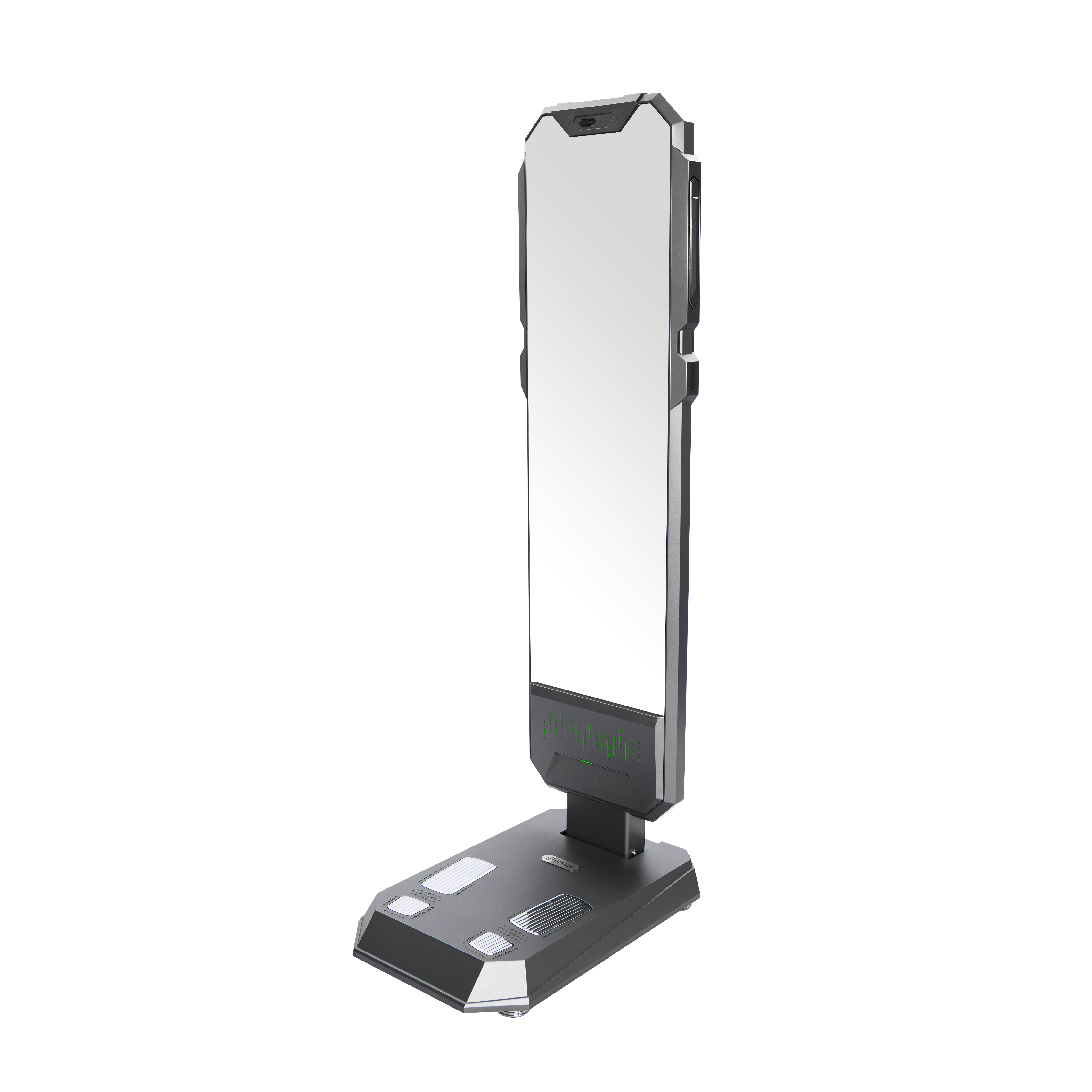
In the realm of sports and health testing, the ability to measure multiple parameters accurately and efficiently is crucial. Multi-parameter measurement solutions utilize advanced microcontroller integration to enhance the precision and functionality of devices used in body composition and posture analysis. B2B buyers, including purchasing managers and product managers, often face concerns regarding the reliability, specifications, and sourcing of these measurement solutions. This article will elucidate the key factors to consider when evaluating multi-parameter measurement solutions, ensuring you make informed purchasing decisions.
What to Consider When Choosing Multi-Parameter Measurement Solutions
When selecting multi-parameter BIA fat measurement solutions, several factors should be prioritized to ensure they meet your operational needs. First and foremost, assess the types of measurements the device can perform. Solutions should ideally provide comprehensive data, such as body fat percentage, muscle mass, hydration levels, and posture metrics, to facilitate holistic health assessments.
Next, evaluate the technology behind the device. Advanced microcontroller integration is critical for accurate data processing and real-time analysis. This integration ensures that the device can handle multiple inputs simultaneously, providing reliable outputs that are essential in both clinical and fitness environments. Furthermore, consider the ease of use and interface of the device; a user-friendly interface can significantly enhance operational efficiency and reduce training time for staff.
Finally, confirm the compatibility of the measurement solution with existing systems and platforms. Many modern devices offer integration with mobile applications or cloud-based systems, allowing for streamlined data management and analysis. Ensuring compatibility will facilitate smoother operations and improve data accessibility.
Key Specifications for Reliable Multi-Parameter Measurement Devices
When evaluating multi-parameter measurement devices, several specifications are critical to their performance. The following key specifications should be examined:
Measurement Accuracy: Look for devices that offer high accuracy levels, typically expressed as a percentage. For instance, an accuracy level of ±2% is often acceptable in health assessments.
Sampling Rate: This indicates how frequently the device collects data. A higher sampling rate enables more precise monitoring over time, which is particularly beneficial in dynamic environments such as sports training.
Measurement Range: Ensure that the device can measure within the required physiological ranges for your target population. For example, devices designed for athletes may need to measure higher muscle mass levels than those intended for general health assessments.
Battery Life and Power Consumption: Consider devices with long battery life and low power consumption, especially if they will be used in field settings or without regular access to charging facilities.
Data Storage Capacity: Depending on your needs, the device should have adequate storage for the volume of data it will collect, as well as capabilities for exporting data to external systems or applications.
Understanding these specifications will help you choose a device that not only meets your immediate needs but also adapts to future demands in health and sports analysis.
Where to Source High-Quality Multi-Parameter Measurement Equipment
Sourcing high-quality multi-parameter measurement equipment requires careful consideration of suppliers. Start with manufacturers that have a proven track record in the industry, such as those compliant with ISO9000 standards, which ensures adherence to quality management principles. Youjoy Health, for instance, collaborates with a national sports technology park to produce reliable intelligent equipment, reinforcing its commitment to quality.
Additionally, investigate the supplier's reputation in the market. Look for reviews, testimonials, and case studies that demonstrate their experience in delivering effective solutions. Networking within industry forums or attending relevant trade shows can also provide insights into reputable manufacturers.
Lastly, consider the supplier's customer support and service capabilities. Reliable post-purchase support, including warranty options, maintenance services, and training for staff, can greatly enhance the value of your investment in multi-parameter body fat measurement scale solutions.
Cost Factors to Evaluate for Bulk Orders of Measurement Tools
When planning to purchase multi-parameter measurement devices in bulk, several cost factors should be evaluated to achieve the best value for your investment. First, analyze the unit price and how it changes with different order quantities. Many suppliers offer discounts for bulk purchases, which can significantly reduce overall costs.
Next, consider the total cost of ownership, which includes not just the initial purchase price but also ongoing maintenance and operational costs. Devices that require frequent calibration or have high consumable costs may lead to higher long-term expenses.
Additionally, factor in shipping costs, import duties, and potential delays in delivery, particularly if sourcing from international suppliers. Understanding these costs upfront can help you budget accurately and avoid unexpected expenses later on.
Lastly, inquire about any available financing options or leasing agreements that could ease cash flow concerns while still allowing you to procure the necessary equipment.
Common Problems in Measurement Solutions and Their Effective Solutions
Despite advancements in technology, users of multi-parameter measurement solutions may encounter common issues that can impact performance. Understanding these problems and their solutions is crucial for effective usage.
One prevalent issue is sensor drift, where the accuracy of measurements degrades over time. Regular calibration is essential to maintain accuracy. Establish a routine calibration schedule based on manufacturer recommendations to mitigate this problem.
Another challenge is data inconsistency, which can arise from environmental factors or user error. To address this, ensure that operators are well-trained in the correct usage of the devices and provide clear guidelines for operating conditions. For example, temperature and humidity can affect readings, so devices should be used in controlled environments whenever possible.
Lastly, software compatibility issues may arise when attempting to integrate measurement data into existing systems. Collaborate with IT teams and the device manufacturer to ensure that data formats and protocols are compatible, facilitating seamless data transfer and analysis.
By proactively addressing these common problems, you can enhance the reliability and effectiveness of your multi-parameter body composition measurement solutions, ultimately leading to better outcomes in health and sports assessments.
Table of Contents
- What to Consider When Choosing Multi-Parameter Measurement Solutions
- Key Specifications for Reliable Multi-Parameter Measurement Devices
- Where to Source High-Quality Multi-Parameter Measurement Equipment
- Cost Factors to Evaluate for Bulk Orders of Measurement Tools
- Common Problems in Measurement Solutions and Their Effective Solutions