


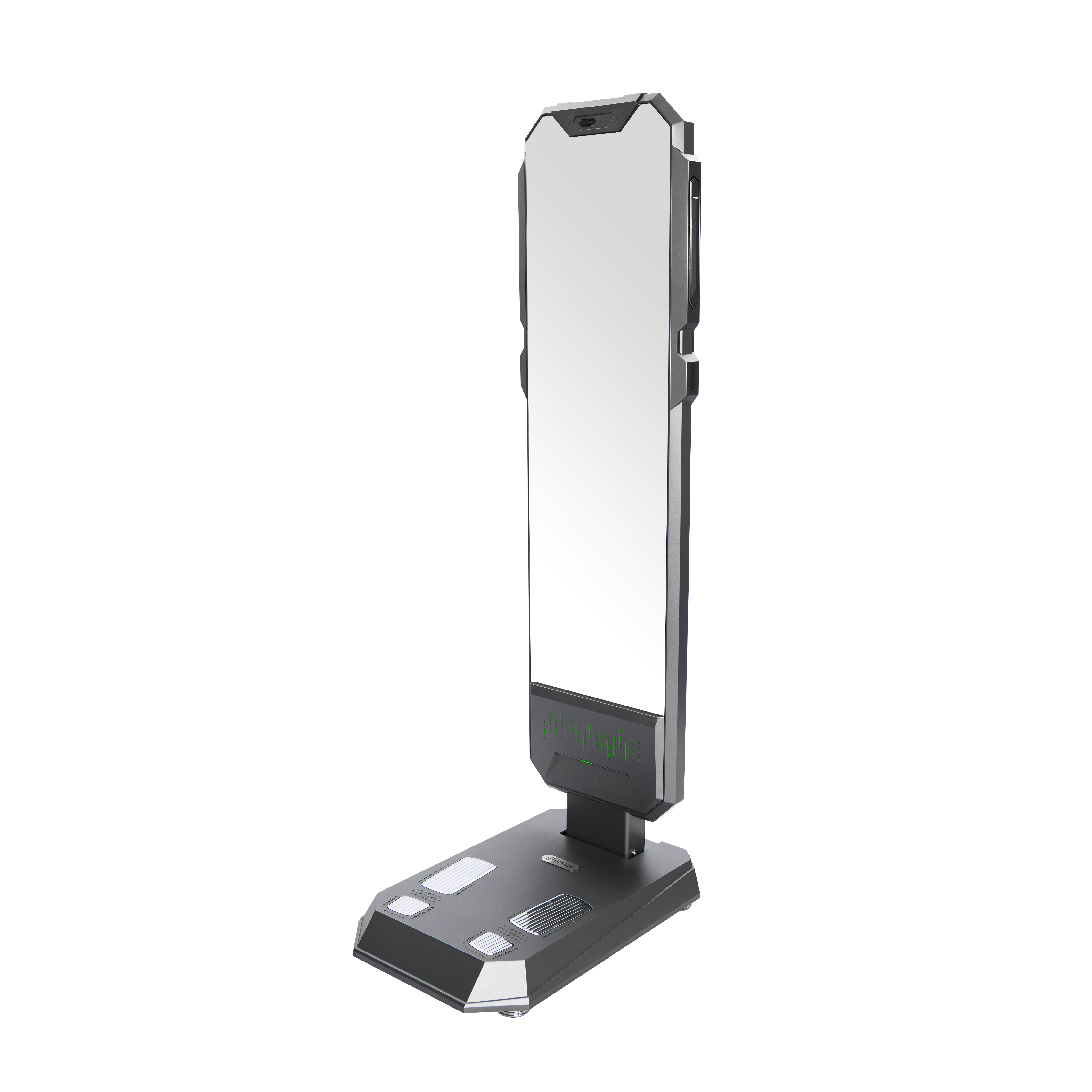


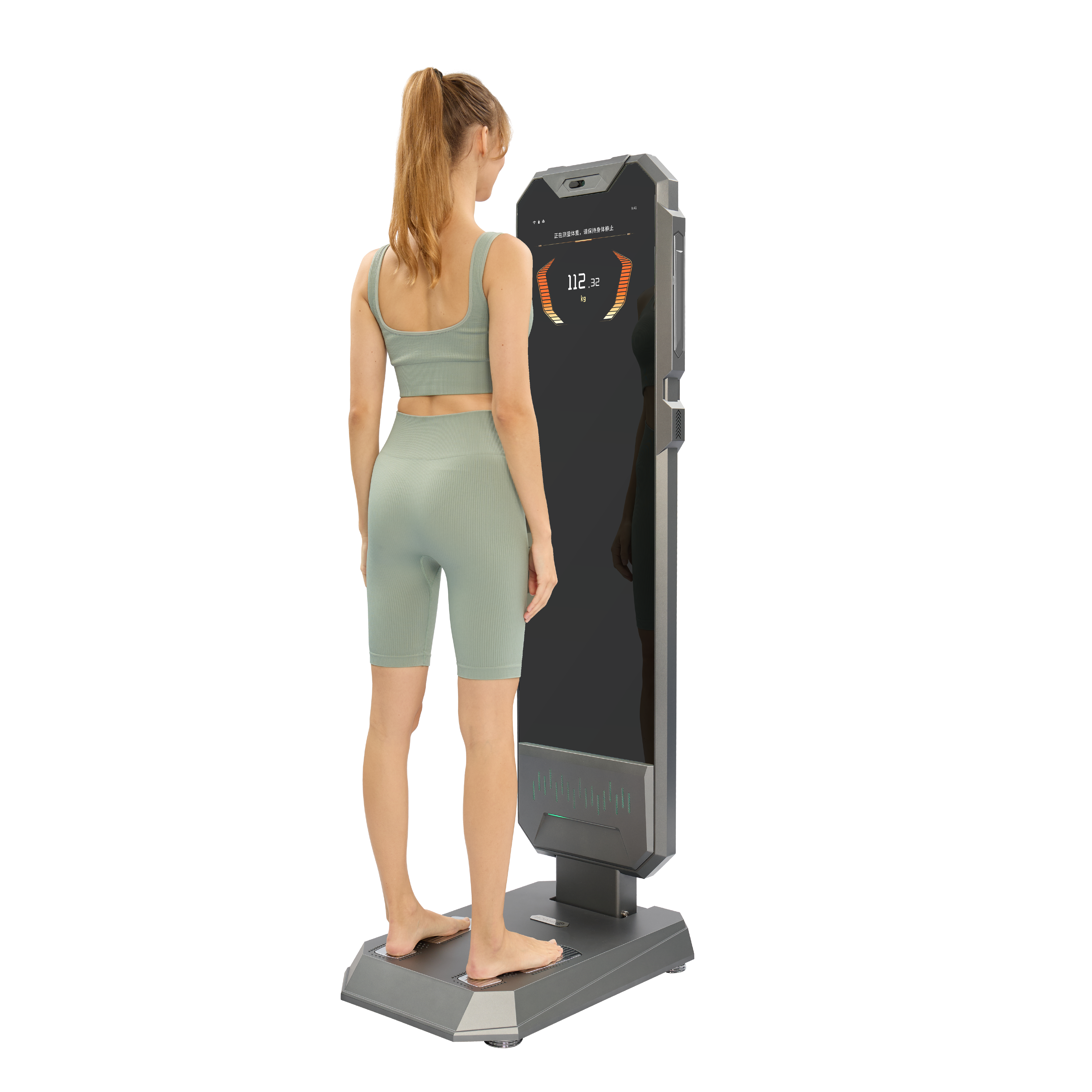
Understanding bioelectrical impedance analysis (BIA) technology is pivotal for distributors aiming to enhance their offerings in health and sports testing. As the demand for accurate body composition and posture assessment tools grows, knowing the nuances of BIA technology can inform purchasing decisions and supplier evaluations. This article will delve into essential factors that distributors should consider before selling BIA technology products, ensuring they can navigate supplier relationships, product quality, and pricing effectively.
How to Choose Reliable Suppliers for BIA Technology Products
When selecting suppliers for BIA 3D scanner technology products, reliability is paramount. Start by assessing the supplier's manufacturing capabilities and compliance with industry standards. Look for suppliers that adhere to ISO9000 or other relevant certifications, as these indicate a commitment to quality control processes and consistent product performance.
Additionally, evaluate the supplier's experience in the BIA sector. Distributors should inquire about the supplier’s track record with similar products and their ability to meet specific customization requirements. Understanding the supplier's production equipment and technology can also provide insights into their capacity to deliver high-quality, innovative products.
Finally, assess the supplier’s customer service and support. Reliable suppliers should offer robust after-sales support, including technical assistance and training, which are crucial for distributors aiming to provide comprehensive service to their clients.
Evaluating the Quality of BIA Technology for Bulk Orders
Quality evaluation of BIA technology is crucial, especially when placing bulk orders. Buyers should start by requesting samples to test the equipment's performance under real-world conditions. Key specifications to verify include the accuracy of body composition measurements, reliability of posture analysis, and the technology used for data interpretation.
In addition to performance, consider the materials used in the BIA devices. High-quality components can significantly affect durability and performance. Distributors should inquire about the sourcing of materials and any certifications that guarantee their safety and efficacy.
Quality control processes are another critical aspect. A competent supplier will have stringent quality assurance protocols in place, ensuring that every unit meets specified standards before shipment. Asking for documentation of these processes can help distributors confirm the reliability of the products they intend to sell.
Cost Considerations When Sourcing BIA Technology Equipment
Cost is a significant factor when sourcing BIA fat measurement technology equipment. Distributors must consider not only the unit price but also the total cost of ownership, which includes shipping, duties, and potential maintenance costs. It is essential to compare quotes from multiple suppliers to identify the best value, keeping in mind that the lowest price does not always equate to the best quality.
When evaluating pricing, also consider the minimum order quantity (MOQ). Suppliers may offer discounts on larger orders, which can be beneficial for distributors planning to stock a wide range of products. However, be cautious of over-committing to large purchases without fully assessing market demand and the potential for product obsolescence.
Lastly, inquire about the lead time for delivery. Understand how quickly a supplier can fulfill orders, as delays can impact your ability to meet customer needs and could lead to lost sales.
A Distributor's Perspective
From a distributor's viewpoint, understanding the intricacies of BIA technology is crucial for making informed purchasing decisions. Distributors should prioritize suppliers who demonstrate a strong understanding of the technology and its applications. Engaging in discussions about the latest advancements in BIA can provide insights into market trends and help distributors position their offerings effectively.
Moreover, maintaining ongoing relationships with manufacturers can prove beneficial. Regular communication can lead to insights into upcoming products and changes in technology, allowing distributors to stay ahead of market demands. Attending industry trade shows or workshops related to BIA measurement device technology can also facilitate networking opportunities and knowledge exchange.
Finally, distributors should consider the end-users of BIA technology. Understanding the specific needs of fitness professionals, health clubs, and wellness centers can guide distributors in curating a product lineup that meets market demands and enhances customer satisfaction.
Comparing BIA Technology Products for Wholesale Purchasing Decisions
When it comes to wholesale purchasing decisions for BIA technology products, a detailed comparison is essential. Distributors should create a checklist of critical specifications to evaluate across different products. These specifications may include:
Measurement Accuracy: The precision with which a device can estimate body fat, muscle mass, and hydration levels.
User Interface and Software Compatibility: Ensure that the BIA devices can integrate seamlessly with existing systems, providing a user-friendly experience for clients.
Device Portability: Consider the size and weight of the equipment, particularly for mobile applications in fitness or clinical settings.
Durability and Warranty: Assess the manufacturer’s warranty terms and the expected lifespan of the equipment.
Additionally, understanding the variations in product offerings is essential. Some devices may focus on specific applications, such as athletes' performance assessment, while others cater to general health monitoring. This variance can impact the decision-making process, as distributors must align product features with their target market's needs.
Navigating the intricacies of BIA technology requires careful supplier evaluation, quality assessment, and cost considerations. By focusing on these elements, distributors can make informed decisions that enhance their product offerings and meet the evolving demands of the health and fitness industry.