


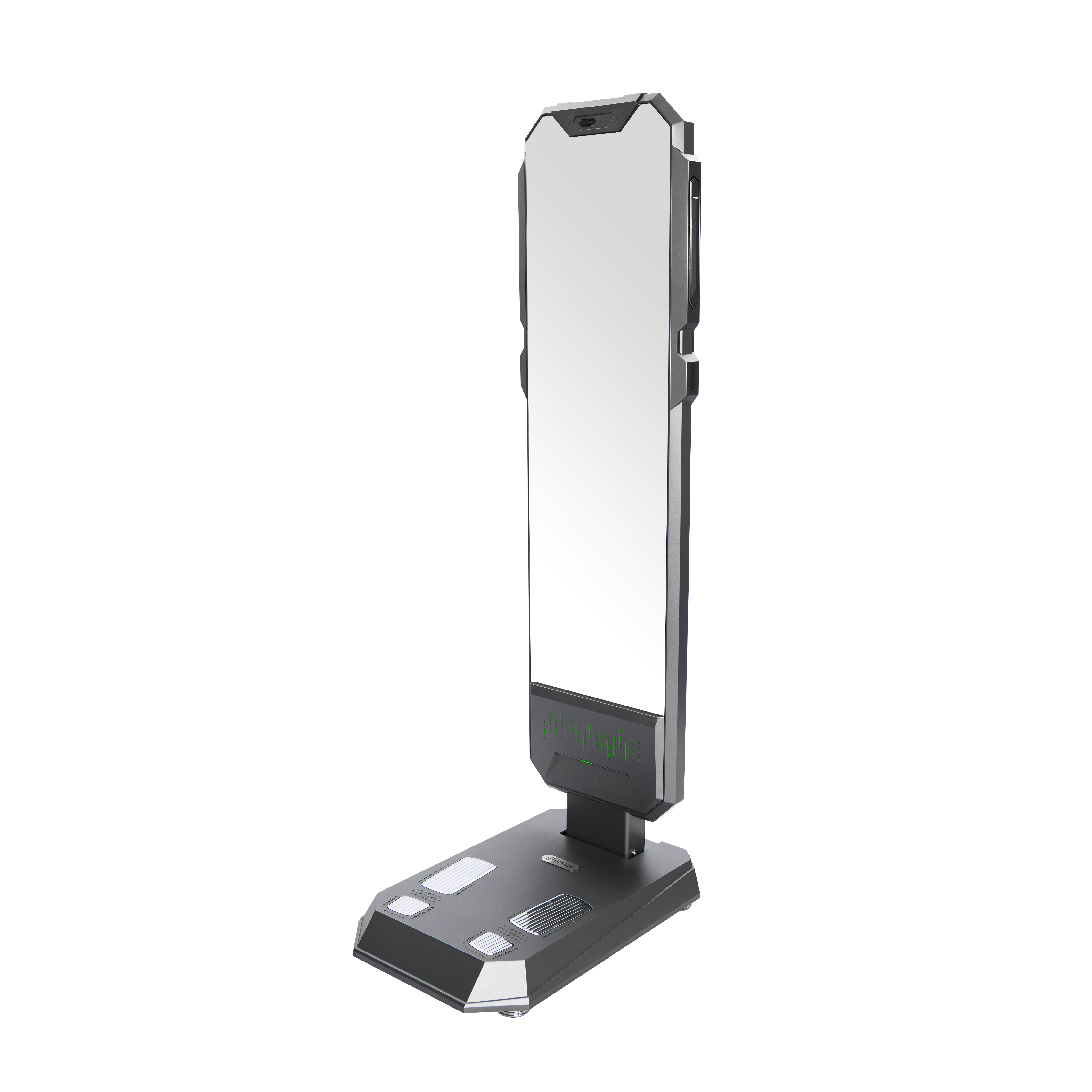


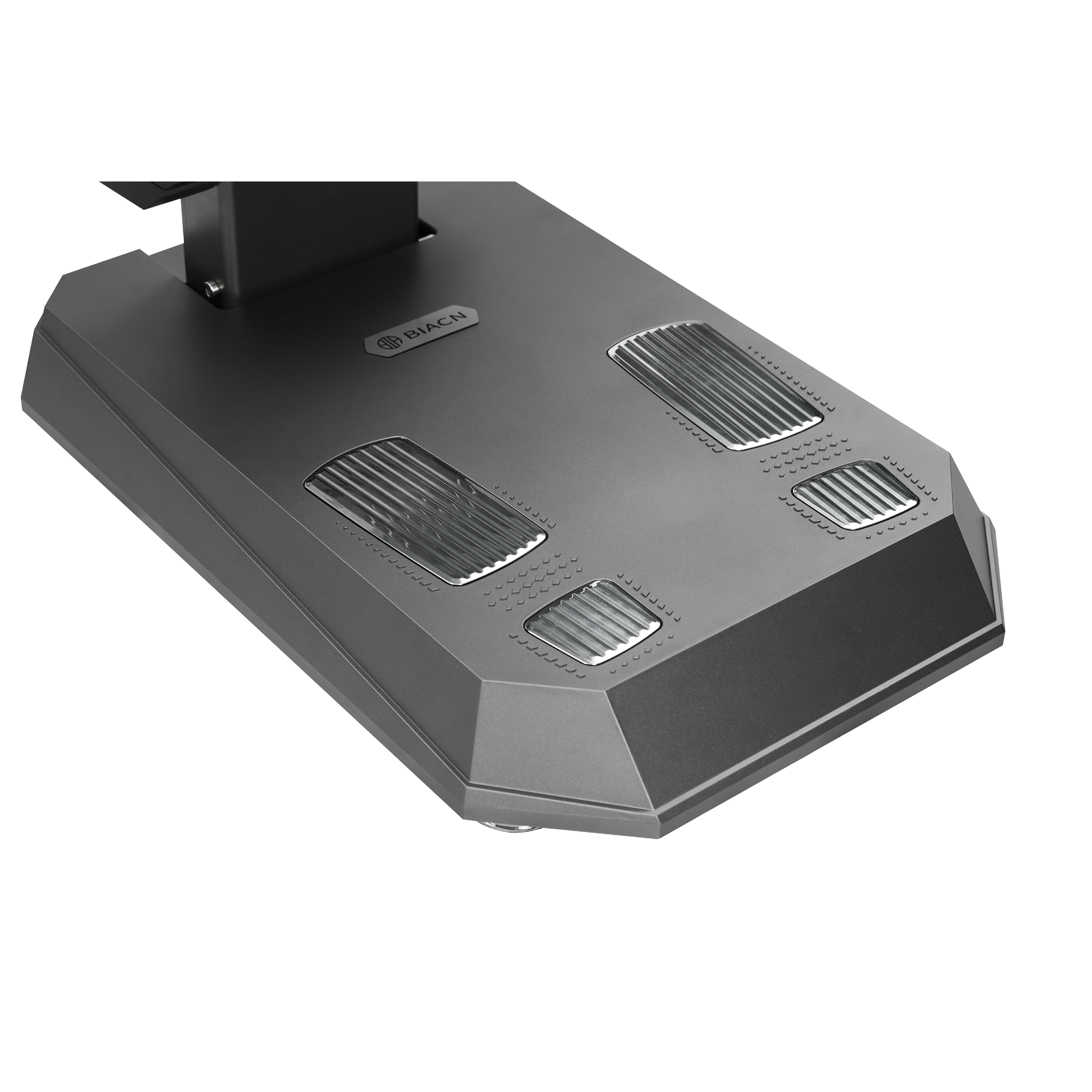
Cloud-connected Bioelectrical Impedance Analysis (BIA) devices have emerged as essential tools for clinics and gyms, offering precise body composition analysis and health tracking. As a purchasing manager or distributor, understanding the intricacies of these devices is crucial for making informed purchasing decisions. This article will delve into what to consider when sourcing cloud-connected BIA devices wholesale, key specifications to evaluate, reliable supplier sources, quality assurance practices, and installation guidelines for optimal usage.
What to Consider When Sourcing Cloud-Connected BIA Devices Wholesale
When sourcing cloud-connected BIA devices wholesale, there are several critical factors to consider. First, assess the device's compatibility with existing health management systems used in clinics or gyms. This includes checking for integration capabilities with software platforms that may already be in place for client management or health analytics.
Second, consider the target market and specific use cases. Clinics may require devices that prioritize accuracy and clinical data, while gyms might focus on user-friendliness and engaging interfaces. Different end-users may have varying preferences, which can influence the type and features of the BIA body fat device devices you choose to source.
Lastly, evaluate the minimum order quantity (MOQ) and lead times. Understanding these factors in advance can help avoid supply chain disruptions or overstock situations. Ensure that the manufacturer or supplier can provide consistent availability to meet demand fluctuations, particularly during peak seasons, such as New Year resolutions when gym memberships typically surge.
Key Specifications for Evaluating Cloud-Connected BIA Devices
When evaluating cloud-connected BIA devices, key specifications play a pivotal role in determining their performance and suitability for your needs.
Accuracy and Precision: Look for devices that provide validated accuracy in body composition measurements, such as body fat percentage and lean mass. This is crucial for healthcare applications where precise data informs treatment decisions.
Data Connectivity: Since these devices are cloud-connected, check the types of connectivity options (Wi-Fi, Bluetooth, etc.) available. The reliability of data transmission is essential for seamless integration into health management systems.
User Interface: An intuitive user interface enhances user experience, making it easier for both operators and clients to navigate through the device’s functionalities.
Battery Life and Power Options: Evaluate the battery life and whether the device can operate on rechargeable batteries or requires external power sources. This can influence maintenance and usability in different settings.
Durability and Portability: Depending on the intended use, consider the device's build quality, weight, and ease of transport. For clinics, a more robust design may be needed, whereas gyms may benefit from lightweight and portable models.
Understanding these specifications is vital; the wrong choice could lead to inaccuracies in body composition analysis or integration issues with existing systems.
Where to Find Reliable Suppliers for BIA Devices in Bulk
Finding a reliable supplier for cloud-connected BIA devices is a fundamental step in ensuring quality and consistency. Start by researching manufacturers who specialize in health and fitness technology, particularly those with a proven track record in body fat measurement device.
Trade shows and industry expos focused on health technology can also provide insights into potential suppliers. These events allow for hands-on demonstrations and direct interactions with manufacturers, helping to build relationships and allowing for quality assessments.
Additionally, consider utilizing online B2B marketplaces that specialize in medical and fitness equipment. These platforms often include reviews and ratings from other buyers, providing valuable information on supplier reliability and product quality.
It's also advisable to request samples from potential suppliers before committing to a large purchase. This not only allows for firsthand evaluation of the product but also helps assess the supplier’s responsiveness and service quality.
Quality Assurance Practices for Cloud-Connected BIA Devices
Quality assurance is crucial in the manufacturing of cloud-connected BIA devices to ensure they meet industry standards and customer expectations. Manufacturers should implement a robust quality control process that includes:
Material Selection: Ensure that only high-grade materials are used in the production of BIA devices. This impacts the device's durability, accuracy, and overall user experience.
Testing Protocols: Devices should undergo rigorous testing before they reach the market. This includes functionality tests, accuracy assessments, and stress tests to ensure reliable operation in various conditions.
Certification Compliance: Verify that the devices comply with relevant industry certifications, such as ISO9000. These certifications indicate adherence to international quality standards and can enhance trust in the product.
Ongoing Quality Audits: Regular audits of the manufacturing process can help identify potential issues early on. This proactive approach can reduce defects and guarantee that each batch of devices meets the established quality criteria.
Feedback Mechanisms: Establishing channels for feedback from users can help manufacturers make necessary adjustments and improvements. This is especially important in the rapidly evolving tech landscape.
Implementing these quality assurance practices can significantly reduce risks associated with product defects and enhance customer satisfaction.
Installation Guidelines for Optimal Use of BIA Devices in Facilities
Proper installation and setup of cloud-connected body composition analysis device are vital for their effective use in clinics and gyms. Here are some key guidelines to follow:
Location Selection: Choose a location that is easily accessible to users while ensuring privacy for individuals during assessments. The space should also have a stable power source and reliable internet connection for seamless data transfer.
Calibration: After installation, the devices should be calibrated according to the manufacturer’s instructions. Regular calibration checks should be performed to ensure ongoing accuracy.
User Training: Provide comprehensive training to staff on how to operate the devices effectively. This includes understanding how to interpret the data provided and how to troubleshoot common issues.
Maintenance Schedule: Establish a routine maintenance schedule to check for software updates and hardware integrity. Regular maintenance can prevent technical issues and ensure the devices remain in optimal working condition.
Data Management Practices: Implement protocols for data management, including how to securely store and manage client data collected from the devices. Compliance with data protection regulations is essential.
By following these installation guidelines, facilities can maximize the benefits of cloud-connected BIA devices, ensuring that they function effectively and provide valuable insights into body composition and health metrics.
Table of Contents
- What to Consider When Sourcing Cloud-Connected BIA Devices Wholesale
- Key Specifications for Evaluating Cloud-Connected BIA Devices
- Where to Find Reliable Suppliers for BIA Devices in Bulk
- Quality Assurance Practices for Cloud-Connected BIA Devices
- Installation Guidelines for Optimal Use of BIA Devices in Facilities