


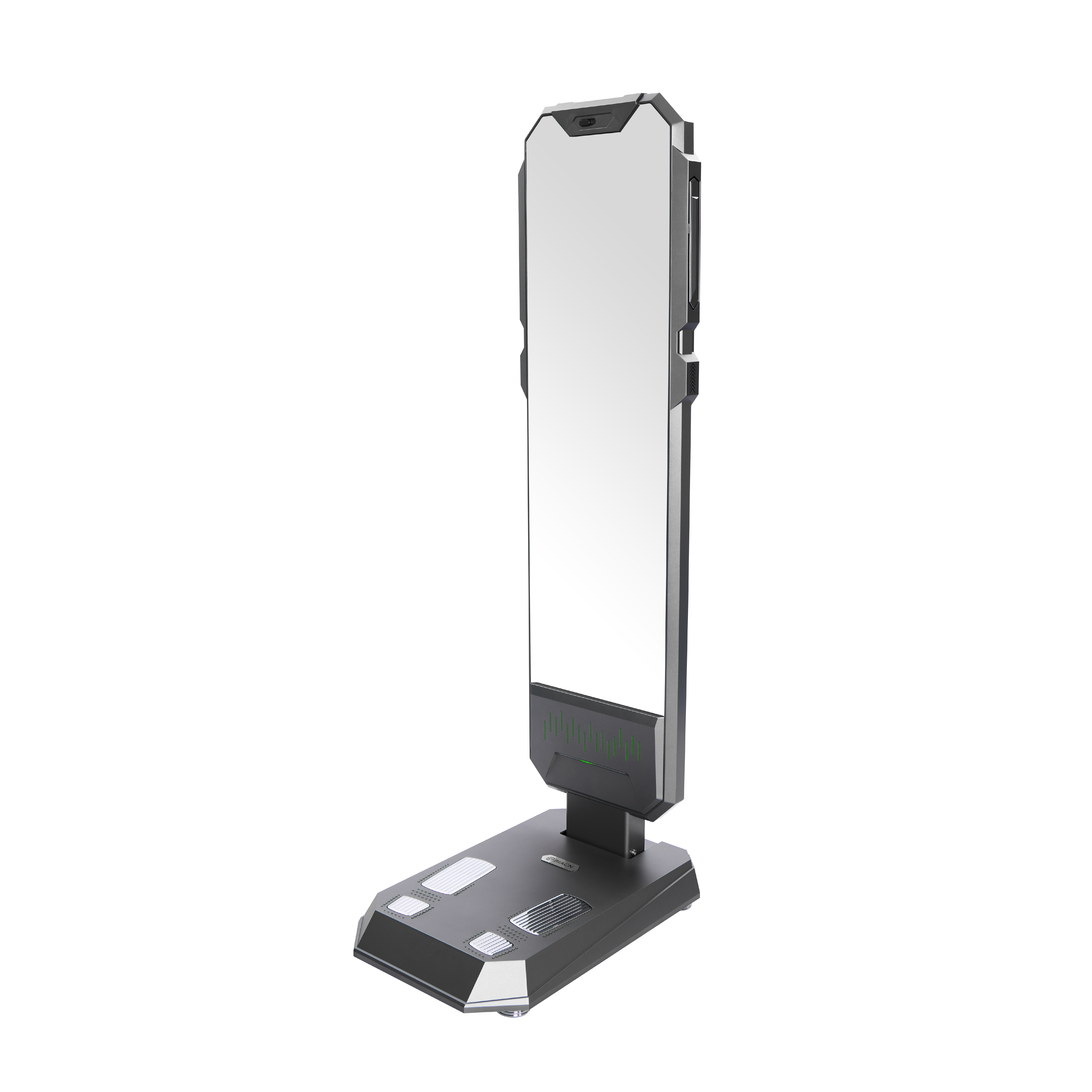


Thermal management is a critical factor in the performance and longevity of commercial body scanners, particularly those produced by Youjoy Health, a company that specializes in sports and health testing. These advanced devices require effective thermal management systems to maintain optimal functioning under continuous use. This article will explore the importance of thermal management, addressing key buyer concerns such as selecting reliable suppliers, understanding cost benefits, comparing systems, troubleshooting common issues, and installation guidance.
Where to Find Reliable Suppliers for Thermal Management Solutions?
Finding dependable suppliers for thermal management solutions involves several steps. Start by researching manufacturers who specialize in thermal management technologies, including heat sinks, cooling systems, and insulation materials tailored for electronic equipment. Look for suppliers with proven track records in the medical or commercial equipment sectors, as familiarity with specific regulatory requirements is crucial. Additionally, consider suppliers who can demonstrate compliance with industry standards, such as ISO9000, which indicates a commitment to quality management systems. Reviews, case studies, and referrals from industry peers can also provide insight into a supplier’s reliability and product quality. Engaging with suppliers who have experience in working with complex systems like body scanners can further enhance the procurement process.
Cost Benefits of Quality Thermal Management
Investing in high-quality thermal management systems can lead to significant cost savings over time. First, effective thermal solutions help improve the lifespan of body scanners by preventing overheating, which can lead to frequent repairs or replacements. This longevity translates into lower capital expenditures and reduced downtime. Moreover, quality thermal management can enhance the efficiency of body scanner, leading to improved operational efficiency and reduced energy consumption. For instance, systems that maintain optimal operating temperatures can minimize the energy costs associated with cooling, ultimately contributing to lower overall operational costs. Buyers should weigh these long-term savings against the initial investment when evaluating thermal management options.
Comparing Thermal Management Systems for Commercial Body Scanners
When comparing thermal management systems for commercial body scanners, consider several key specifications:
Heat Dissipation Capacity: This refers to the system's ability to effectively transfer heat away from critical components. Look for products with a proven ability to manage heat under continuous use conditions.
Material Composition: The materials used in thermal management systems can significantly affect performance. For example, aluminum and copper are commonly chosen for their excellent thermal conductivity, but each material's weight and cost should also be considered.
Design and Compatibility: Ensure that the thermal management system is designed to integrate seamlessly with existing scanner designs. A system that requires extensive modifications can increase both costs and installation time.
Customization Options: Some manufacturers may offer customizable solutions tailored to specific operational needs. This can be critical if your scanners operate in unique environments or under specific load conditions.
Evaluating these factors will help you choose a thermal management system that not only fits your technical requirements but also aligns with your operational goals.
Common Problems with Scanner Thermal Management and Their Solutions
Thermal management systems may face several common challenges, and understanding these can help in proactive troubleshooting:
Overheating: If a scanner regularly experiences overheating, it may indicate inadequate heat dissipation. Solutions include upgrading to more efficient cooling systems or enhancing airflow through better ventilation.
Insufficient Cooling During Peak Use: In high-demand environments, scanners may not receive adequate cooling. Implementing active cooling solutions such as fans or liquid cooling systems can improve performance.
Material Degradation: Components may degrade over time due to body scanner 3d. Regular inspections of thermal interface materials and replacing them as needed will help maintain optimal performance.
Poor Installation: Incorrect installation can lead to thermal hotspots. Ensuring proper installation techniques and following manufacturer guidelines is essential to avoid these issues.
Addressing these problems promptly can reduce downtime and enhance the overall reliability of body scanners.
Installation Guidance for Optimal Thermal Management Systems in Scanners
Proper installation of thermal management systems is crucial for achieving optimal performance. Here are key considerations:
Follow Manufacturer Instructions: Always adhere to the specific installation guidelines provided by the thermal management system manufacturer. This includes guidance on component placement, torque specifications, and thermal interface material application.
Conduct Pre-Installation Checks: Before installation, verify that all components are compatible and in good condition. Checking for any signs of damage or wear can prevent installation delays.
Test the System: After installation, conduct thorough testing under normal operating conditions. Monitor temperature readings to ensure that the thermal management system is functioning as intended.
Ensure Airflow: Proper airflow is essential for effective cooling. Position fans and vents according to the design specifications to ensure that air can circulate freely around critical components.
By adhering to these installation practices, buyers can ensure that their thermal management systems perform effectively, thus prolonging the life of their body scanners and optimizing operational efficiency. By focusing on these aspects of thermal management, businesses can make informed decisions that enhance the performance and reliability of commercial gym body scanner, thereby ensuring they remain operational in a demanding environment.
Table of Contents
- Where to Find Reliable Suppliers for Thermal Management Solutions?
- Cost Benefits of Quality Thermal Management
- Comparing Thermal Management Systems for Commercial Body Scanners
- Common Problems with Scanner Thermal Management and Their Solutions
- Installation Guidance for Optimal Thermal Management Systems in Scanners