


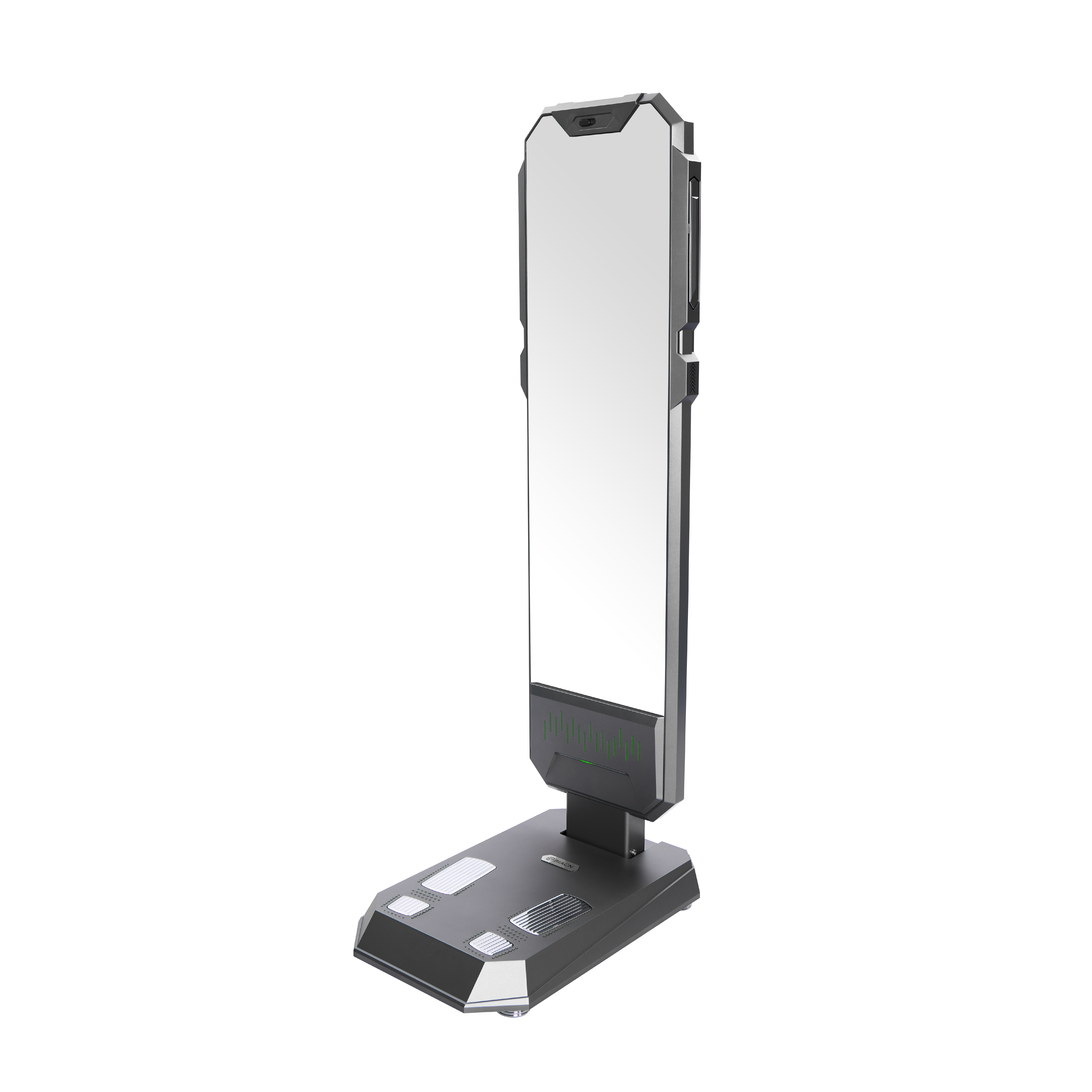


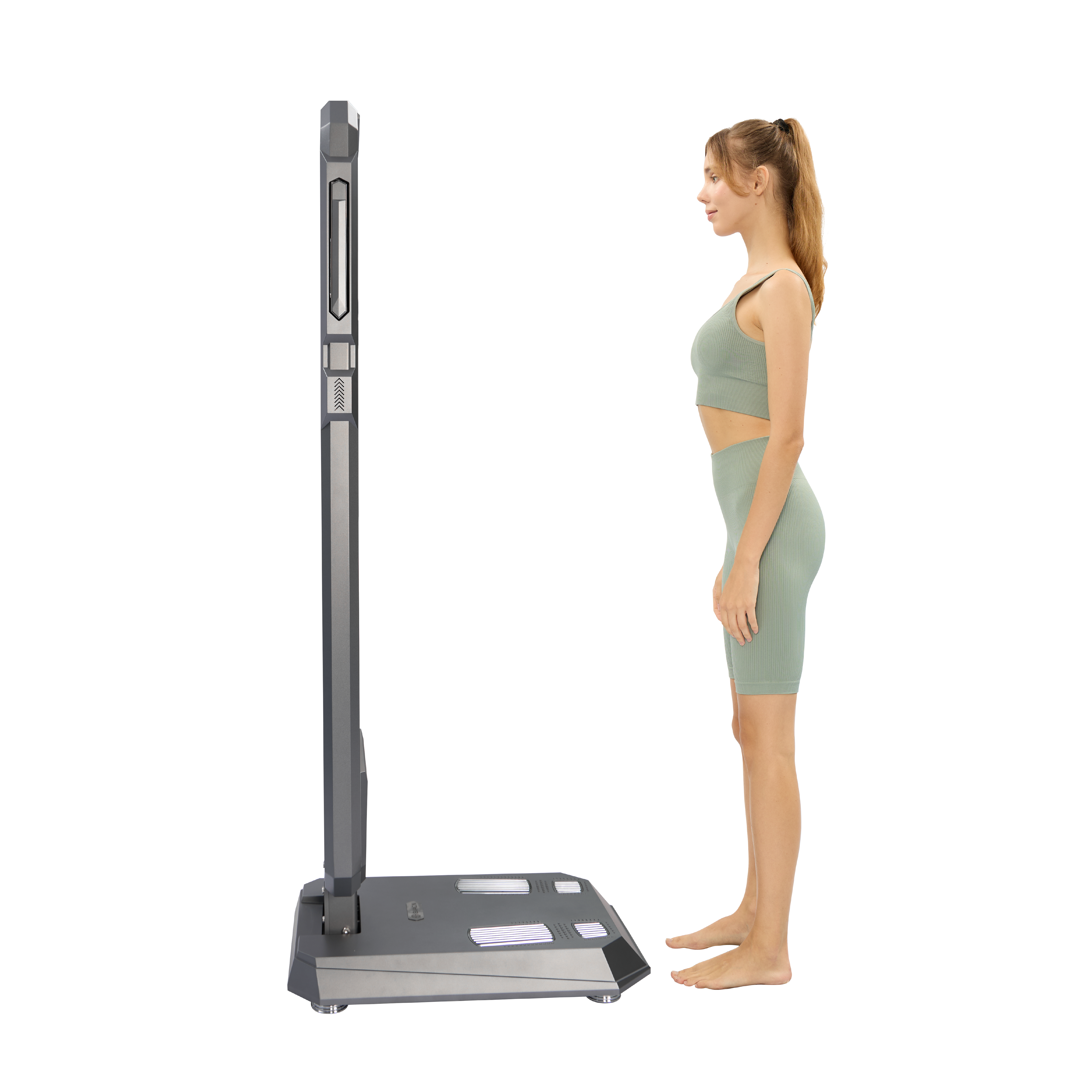
Understanding the significance of healthcare data interoperability is crucial for those involved in the procurement of Bioelectrical Impedance Analysis (BIA) devices. As a leading player in sports and health testing, Youjoy Health recognizes that seamless data integration is key for healthcare providers, ensuring efficient patient care and accurate assessments. This article will delve into why healthcare data interoperability matters when selling BIA devices, addressing the main concerns of buyers and providing insights on selecting and sourcing these essential tools in health management.
The Importance of Healthcare Data Interoperability in BIA Device Selection
Healthcare data interoperability refers to the ability of different healthcare systems and devices to communicate and exchange information effectively. For BIA devices, which provide critical data on body composition, this is particularly important. When selecting BIA devices, buyers must consider whether the devices can seamlessly integrate with existing Electronic Health Records (EHR) systems and other healthcare technologies.
Interoperability is vital for ensuring that patient data collected through BIA measurement device can be easily aggregated and analyzed alongside other health information. This facilitates a comprehensive view of a patient’s health, improving decision-making by healthcare providers. Furthermore, BIA devices that support interoperability can enhance the user experience, enabling healthcare professionals to retrieve and share information quickly and efficiently.
When evaluating BIA devices, buyers should inquire about the device’s compatibility with various systems, the types of data formats supported, and any existing partnerships the manufacturer has with software providers. Ensuring that these devices can integrate smoothly into the existing healthcare ecosystem can significantly impact the success of health initiatives and patient outcomes.
How to Choose Reliable Suppliers for BIA Devices in Healthcare
Selecting a reliable supplier for BIA devices is essential to ensure quality, performance, and support. Buyers should start by assessing the manufacturer’s experience and reputation in the healthcare industry, particularly in providing BIA technology. Look for suppliers with a proven track record of compliance with industry standards, such as ISO9000, which signifies a commitment to quality management.
Additionally, inquire about the supplier's customer service and support capabilities. Reliable suppliers should offer robust technical support, training, and after-sales service to assist healthcare providers in effectively using BIA devices. It’s also beneficial to seek references or case studies from existing clients to gauge their satisfaction with the supplier's products and services.
Another critical aspect is the supplier’s ability to customize BIA devices according to specific healthcare needs. Customized solutions can enhance the functionality and usability of the devices, making them more effective for particular applications. A supplier that collaborates closely with buyers to understand their unique requirements will likely deliver better long-term value.
Cost Factors to Consider When Sourcing BIA Devices for Projects
When sourcing BIA body fat device, several cost factors should be taken into account beyond the initial purchase price. These include maintenance costs, software licensing fees, and the potential need for additional hardware to ensure interoperability with existing systems. Buyers should evaluate the total cost of ownership (TCO), which encompasses all expenses associated with the device throughout its lifecycle.
Additionally, consider the cost implications of downtime. If a BIA device has frequent malfunctions or requires extensive training for staff, this can lead to lost productivity and increased operational costs. Choosing a high-quality device from a trusted supplier may require a higher upfront investment but can result in significant savings and improved efficiency in the long run.
Buyers should also be aware of the minimum order quantities (MOQs) set by suppliers, as this can affect budget planning, especially for small-scale projects. Understanding the pricing structure and any volume discounts available can also help buyers make informed purchasing decisions.
Where to Find Bulk Orders for High-Quality BIA Devices
Sourcing BIA devices in bulk can lead to substantial cost savings, particularly for healthcare providers looking to equip multiple facilities or departments. To find reliable suppliers for bulk orders, consider industry trade shows, healthcare technology expos, and online B2B marketplaces that specialize in medical equipment. These venues often provide opportunities to meet manufacturers face-to-face, allowing for better discussions about pricing and customization capabilities.
Additionally, leveraging professional networks and industry associations can be invaluable in identifying reputable suppliers. Engaging with peers and industry experts can lead to recommendations for trusted manufacturers that have proven their reliability and quality in the market.
It’s also beneficial to request samples or pilot projects before committing to a bulk order. This approach allows buyers to evaluate the performance and reliability of the devices in real-world settings before making a larger investment.
Ensuring Smooth Interoperability
To ensure smooth interoperability of BIA devices with existing healthcare systems, buyers should conduct thorough evaluations of the technical specifications and compatibility features of the devices. Key considerations include the supported data exchange protocols (such as HL7 or FHIR) and whether the device can operate with various EHR systems.
Buyers should also verify that the manufacturer provides regular updates and support for their devices to adapt to evolving data standards and interoperability requirements. This is crucial in a field where technology and regulations are continually changing.
Moreover, engaging in open dialogue with the supplier about interoperability challenges can provide insights into potential issues and solutions. A proactive approach to assessing compatibility and addressing concerns before implementation can enhance the overall functionality of BIA body scan in clinical settings.
Understanding the importance of healthcare data interoperability is paramount for those involved in the procurement of BIA devices. By focusing on reliable suppliers, evaluating cost factors, sourcing in bulk, and ensuring smooth interoperability, healthcare providers can make informed purchasing decisions that enhance patient care and operational efficiency.