


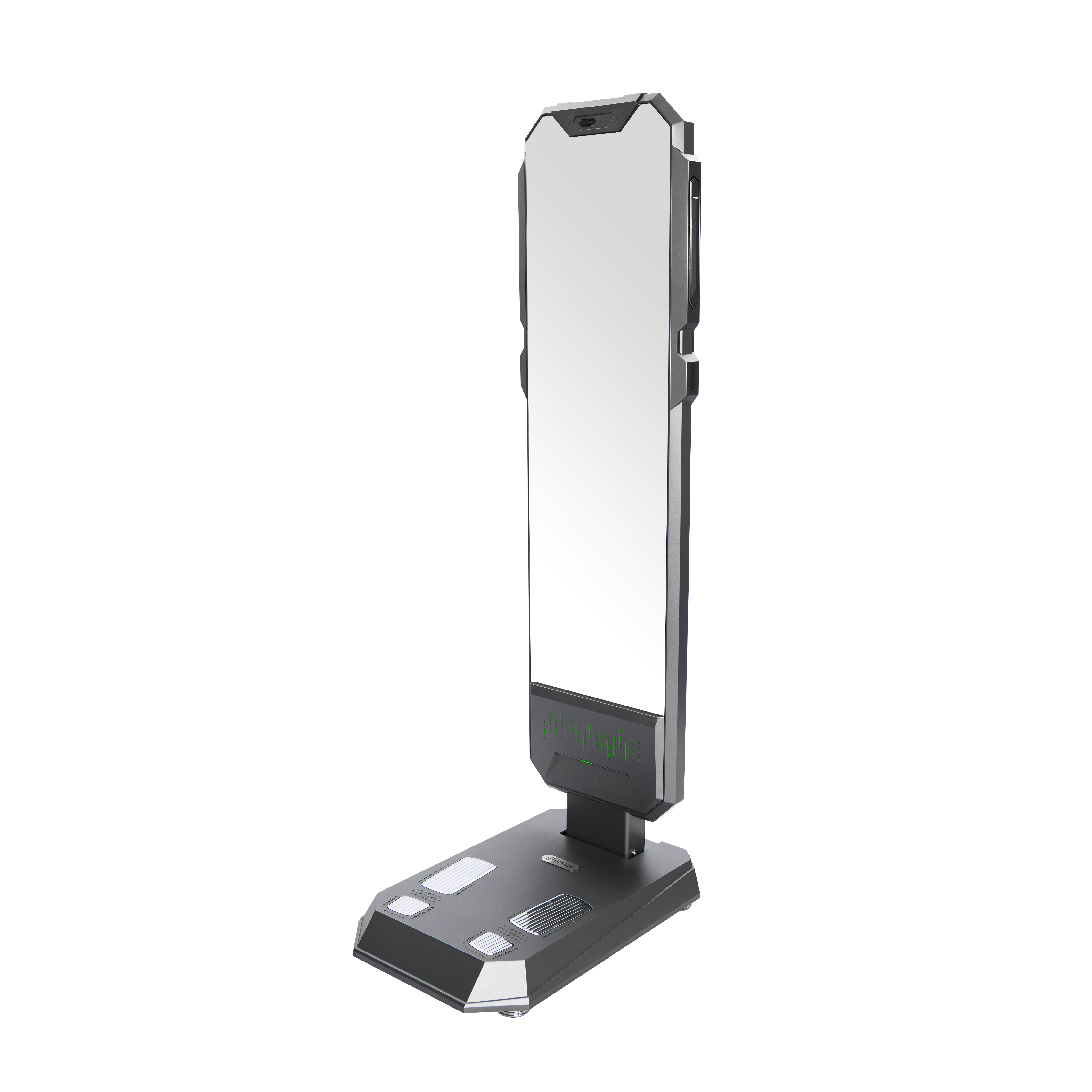


Height sensor calibration is a critical aspect for BMI equipment distributors, ensuring that the devices used for health assessments deliver accurate and reliable measurements. This calibration process is vital for maintaining product quality, as inaccuracies can lead to erroneous health evaluations that potentially affect customer trust and business credibility. We will explore what to consider when choosing height sensor calibration solutions, the importance of calibration for BMI equipment quality, key specifications to evaluate, cost factors for bulk orders, and common issues encountered with height sensors along with effective calibration solutions.
What to Consider When Choosing Height Sensor Calibration Solutions
When selecting height sensor calibration solutions, several factors should guide your decision-making process. First, consider the calibration accuracy required for your specific applications. Higher precision may be necessary for medical or fitness assessments, while less stringent requirements might suffice for general use.
Next, evaluate the calibration method employed by the service provider. Look for solutions that utilize advanced technology, such as computer vision or AI-based systems, which can enhance measurement accuracy and reliability. Additionally, check whether the provider has ISO certifications, such as ISO9000, which indicate adherence to quality management standards.
Another essential consideration is the compatibility of the calibration equipment with your existing BMI scanner devices. Ensure that the calibration solution can be integrated seamlessly into your workflow, minimizing downtime and operational disruptions. It's also advisable to inquire about the manufacturer's experience in the field companies like Youjoy Health, which specializes in sports and health testing, often have the expertise to provide tailored calibration solutions.
How Height Sensor Calibration Ensures Quality for BMI Equipment
Height sensor calibration plays a fundamental role in ensuring the quality of BMI equipment. Accurate height measurements are essential for calculating body mass index (BMI), which is a critical metric in health assessments. Calibration ensures that height sensors are functioning correctly, thereby preventing discrepancies that could lead to miscalculations.
Moreover, proper calibration helps maintain consistency across different devices. This is particularly important for distributors and manufacturers who may deal with multiple units. When all devices are calibrated to the same standards, it guarantees that measurements are reliable, irrespective of the equipment used. Regular calibration checks can also identify potential issues early, allowing for prompt corrective actions and reducing the risk of costly errors.
Additionally, maintaining high-quality standards through consistent calibration can enhance your brand's reputation. Clients and end-users are more likely to trust equipment that is known for its precision and reliability, fostering long-term relationships and repeat business.
Top Specifications to Evaluate for Height Sensor Calibration Equipment
When assessing height sensor calibration equipment, several key specifications should be prioritized:
Measurement Range: This indicates the minimum and maximum heights the sensor can accurately measure. Ensure it covers the expected range of your target users.
Resolution: This refers to the smallest increment that can be measured. Higher resolution sensors can detect minute changes in height, which can be crucial for detailed assessments.
Accuracy: Look for specifications that outline the device's accuracy, typically expressed as a percentage of the reading. A lower percentage signifies better accuracy, which is vital for health assessments.
Calibration Frequency: Understanding how often calibration is required can help you plan maintenance schedules. Frequent calibration may indicate a need for more robust equipment or a review of operational practices.
Environmental Tolerance: Consider the environmental conditions in which the sensors will operate. Equipment should be capable of functioning effectively in varying temperatures, humidity levels, and exposure to elements.
Output Options: Evaluate how the sensor outputs data. Compatibility with your existing systems is crucial, whether it involves digital displays, integration with software, or connectivity to a network.
By carefully considering these specifications, you can ensure that the calibration equipment you choose meets both your operational needs and the expectations of your clients.
Cost Factors in Height Sensor Calibration for Bulk Orders
When planning for ultrasonic height body fat analyzer sensor calibration, especially in bulk orders, several cost factors come into play:
Calibration Equipment Costs: The initial investment in high-quality calibration equipment can vary significantly. While it may be tempting to choose lower-cost options, consider the long-term costs associated with inaccuracies or frequent maintenance.
Service Fees: Many calibration solutions are offered as a service. Evaluate whether the fees include all aspects of calibration, such as transportation, setup, and follow-up services, or if there are additional costs for these elements.
Volume Discounts: Inquire about bulk order discounts. Many suppliers offer reduced rates for larger orders, which can significantly lower your overall expenses.
Training and Support: Training personnel on how to use calibration equipment effectively may incur additional costs. However, this investment is crucial for ensuring that your team can operate the equipment correctly and maintain calibration standards over time.
Ongoing Maintenance: Consider the long-term maintenance costs associated with calibration equipment. Regular servicing and recalibration can add to your total expenditure, so factor this into your budget.
By understanding these cost factors, you can make informed decisions that balance quality with budgetary constraints.
Common Problems with Height Sensors and Effective Calibration Solutions
Height sensors can encounter various issues that may affect their performance. Understanding these problems and their solutions is critical for maintaining the accuracy of your BMI analysis machine.
Drift: Over time, sensors may drift from their calibrated settings, leading to inaccuracies. Regular recalibration is the most effective solution to counteract drift. Establish a routine calibration schedule to maintain accuracy.
Environmental Interference: Height sensors can be sensitive to environmental conditions such as temperature and humidity. Implementing protective enclosures or using sensors specifically designed for variable conditions can mitigate these issues.
Mechanical Wear: Frequent use can lead to mechanical wear, affecting measurement precision. Regular inspection and timely replacement of worn components are essential to ensure continued accuracy.
Power Supply Issues: Inconsistent power supply can lead to erratic sensor behavior. Ensure that your calibration systems are equipped with reliable power sources and consider backup options to maintain operation during outages.
Data Transmission Errors: Problems with data transmission can result in incorrect readings. Regularly check the integrity of connections and consider using data validation protocols to ensure accuracy.
By being proactive in identifying these common problems and implementing effective calibration solutions, you can enhance the reliability of your height sensors and maintain the quality of your BMI equipment.
Table of Contents
- What to Consider When Choosing Height Sensor Calibration Solutions
- How Height Sensor Calibration Ensures Quality for BMI Equipment
- Top Specifications to Evaluate for Height Sensor Calibration Equipment
- Cost Factors in Height Sensor Calibration for Bulk Orders
- Common Problems with Height Sensors and Effective Calibration Solutions