


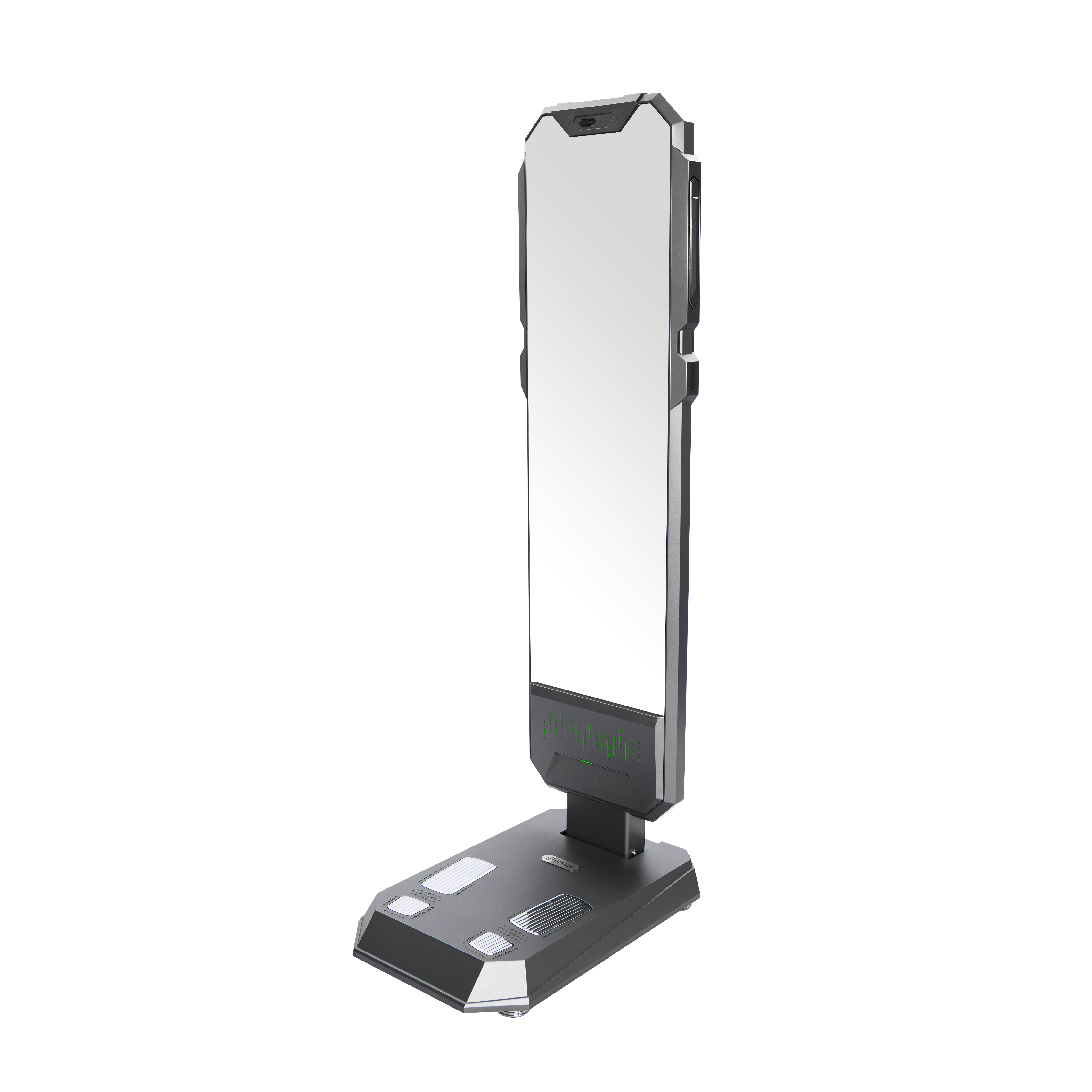



Understanding how electrode geometry improves reproducibility in BIA body composition devices is crucial for manufacturers and buyers alike. BIA (Bioelectrical Impedance Analysis) devices are essential tools for assessing body composition, providing insights into health and fitness. For purchasing managers, engineers, and product managers, electrode geometry directly affects the quality and performance of these devices, influencing measurement accuracy and reliability. This article will delve into the critical aspects of electrode geometry, key specifications to consider when selecting BIA devices, and the common challenges associated with electrode design. YOUJOY, the brand of Shanghai YOUJIU Health Technology Co., Ltd., focuses on intelligent human health assessment and develops solutions for evaluating body composition, posture, and physical function. The company has its own design and research and development team and has established strategic partnerships with several listed companies. Its services reach more than 100 cities in China, supporting millions of users each year. YOUJOY also explores the use of technologies such as the Internet of Things (IoT), cloud computing, and big data in intelligent health testing. For B2B buyers, the company’s experience in health assessment technology may be relevant when evaluating BIA devices and related solutions
How Electrode Geometry Affects BIA Device Quality and Performance
Electrode geometry refers to the shape, size, and arrangement of electrodes used in BIA devices. This geometry significantly influences the electrical impedance measurements that determine body composition metrics, such as body fat percentage, muscle mass, and hydration levels. Proper electrode design ensures optimal contact with the skin, which is vital for accurate readings
When electrodes are poorly designed, issues such as inconsistent contact and signal interference can arise, leading to inaccurate measurements. For example, electrodes with a smaller surface area may create higher resistance, affecting the quality of the electrical signal passed through the body. Conversely, larger or properly contoured electrodes can enhance signal capture and reduce variability in readings, thereby improving reproducibility
Moreover, the spacing between electrodes can also impact measurement accuracy. Closer spacing may provide more localized readings, while wider spacing can capture a broader range of body composition metrics. Therefore, selecting the right electrode geometry is essential for manufacturers aiming to produce reliable and effective BIA devices that meet the rigorous demands of health assessments
Key Specifications to Consider When Choosing BIA Body Composition Devices
When evaluating Bioimpedance body composition devices, several key specifications should be taken into account to ensure optimal performance:
Electrode Material: The material affects conductivity and skin compatibility. Common materials include stainless steel and conductive gels, each offering different levels of reliability
Impedance Range: A wider impedance range allows for accurate readings across various body types and conditions. Manufacturers should ensure that the device can handle diverse patient populations
Measurement Frequency: Different frequencies can penetrate tissues differently; thus, devices should ideally offer multiple frequency options for comprehensive analysis
Calibration Methods: Reliable calibration is crucial for maintaining accuracy over time. Look for devices that incorporate automated calibration processes to minimize user error
User Interface: An intuitive interface can significantly affect usability, especially in clinical settings. Devices should have clear displays and user-friendly navigation
Data Connectivity: Modern BIA devices should offer connectivity options for easy data transfer and analysis, enhancing usability in research or clinical environments
By focusing on these specifications, buyers can make informed decisions that align with their operational needs and customer expectations
Understanding Cost Factors in BIA Devices with Advanced Electrode Designs
Cost considerations are integral when evaluating body composition bioelectrical impedance analysis devices, particularly those featuring advanced electrode designs. Several factors contribute to the overall pricing of these devices:
Design Complexity: More sophisticated electrode geometries often require advanced manufacturing techniques, which can increase production costs. Custom designs tailored to specific applications may also contribute to higher prices
Material Quality: The choice of high-quality materials for electrodes can enhance performance but also raise costs. Buyers should weigh the long-term benefits of investing in premium materials against initial expenses
Technology Integration: Devices that integrate additional technologies, such as AI and machine learning for data analysis, typically come at a premium. However, these features can provide substantial value by enhancing measurement accuracy and data interpretation
Production Volume: Bulk purchasing can lead to reduced unit costs. Buyers should consider their volume needs and negotiate pricing based on anticipated order quantities
Certification and Compliance: Devices that meet specific regulatory standards may incur additional costs during manufacturing. Buyers should ensure that any device purchased complies with relevant health and safety regulations to avoid future liabilities
By understanding these cost factors, purchasing managers can better evaluate their options and make cost-effective decisions that still meet quality and performance standards
Utilizing BIA Technology in Various Industries
BIA technology has diverse applications across multiple industries, including healthcare, fitness, and sports science. In healthcare, BIA body composition scanner devices are utilized for monitoring patients' nutritional status and assessing obesity-related health risks. Accurate body composition analysis can guide treatment plans and dietary recommendations
In the fitness industry, personal trainers and coaches use BIA devices to track client progress over time, tailoring fitness regimens based on individual body composition metrics. This data-driven approach enhances client satisfaction and outcomes
Furthermore, the sports science sector employs BIA technology for athlete monitoring, helping coaches optimize training regimens based on precise body composition data. This application underscores the importance of selecting BIA devices with reliable electrode geometry to ensure consistent and accurate measurements across varying body types and conditions
Common Problems in BIA Devices and Solutions Related to Electrode Design
Despite advancements in BIA technology, common problems can still arise, often linked to electrode design. Some challenges include:
Inconsistent Readings: Variability in electrode contact can lead to erratic results. To mitigate this, manufacturers should focus on creating electrodes with optimized surface textures and shapes that enhance skin contact
Skin Preparation Issues: Poor skin conductivity can affect readings. Educating users on proper skin preparation techniques, such as cleaning and ensuring hydration, can minimize this issue
Environmental Factors: Temperature and humidity can influence measurements. BIA devices should be designed to operate effectively within specified environmental conditions, and users should be informed of ideal usage settings
Calibration Errors: Regular calibration checks are necessary to maintain measurement accuracy. Implementing automatic calibration routines within the device can prevent user error and improve reliability
By addressing these common problems through thoughtful electrode design and user education, manufacturers can enhance the performance of their BIA devices, leading to greater customer satisfaction and trust in their products
In summary, understanding the impact of electrode geometry on BIA device performance, being aware of key specifications and cost factors, and recognizing applications across industries are crucial for buyers looking to invest in BIA technology. By focusing on these areas, purchasing managers can make informed decisions that align with their operational needs and ensure the accuracy and reliability of body composition assessments.
Table of Contents
- How Electrode Geometry Affects BIA Device Quality and Performance
- Key Specifications to Consider When Choosing BIA Body Composition Devices
- Understanding Cost Factors in BIA Devices with Advanced Electrode Designs
- Utilizing BIA Technology in Various Industries
- Common Problems in BIA Devices and Solutions Related to Electrode Design