


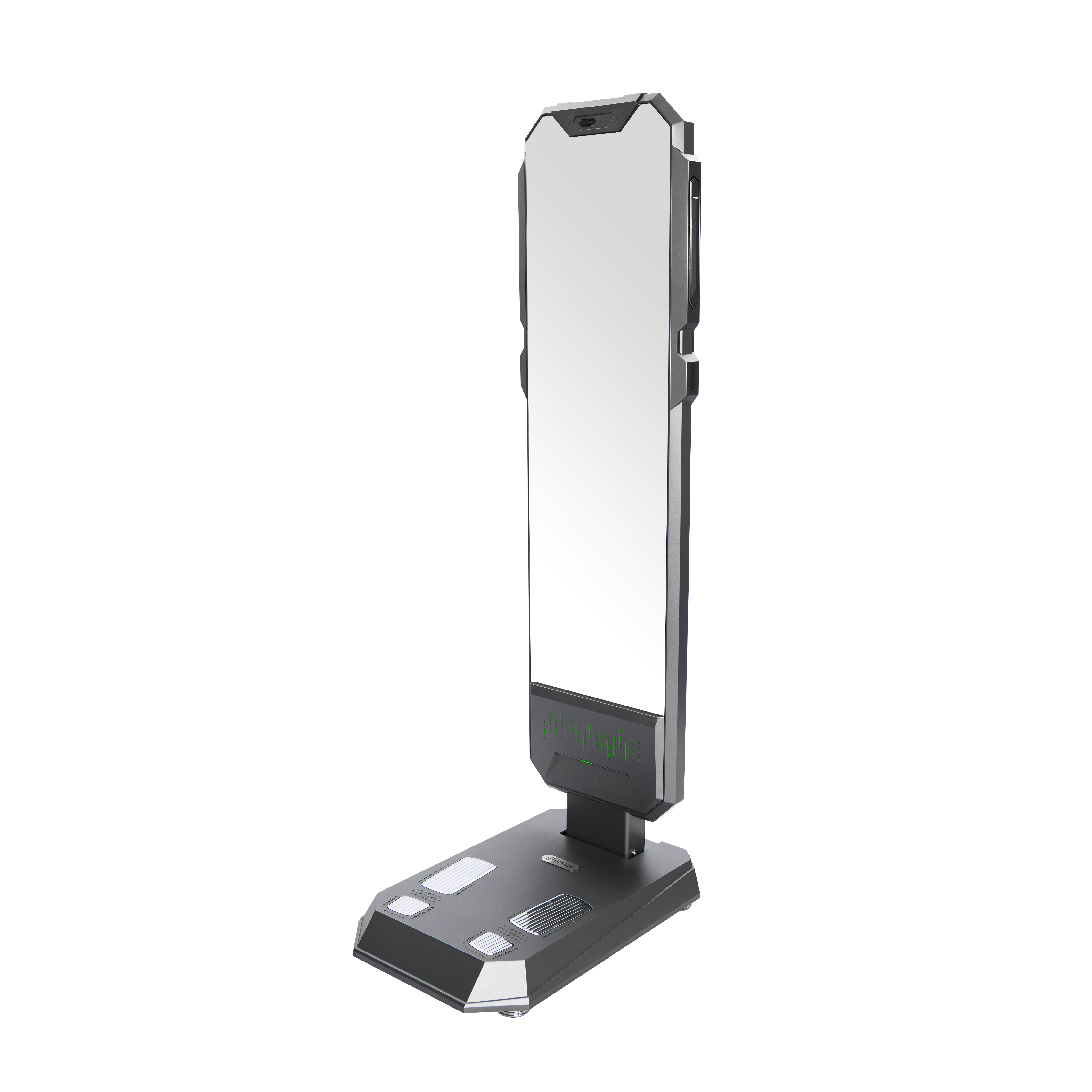


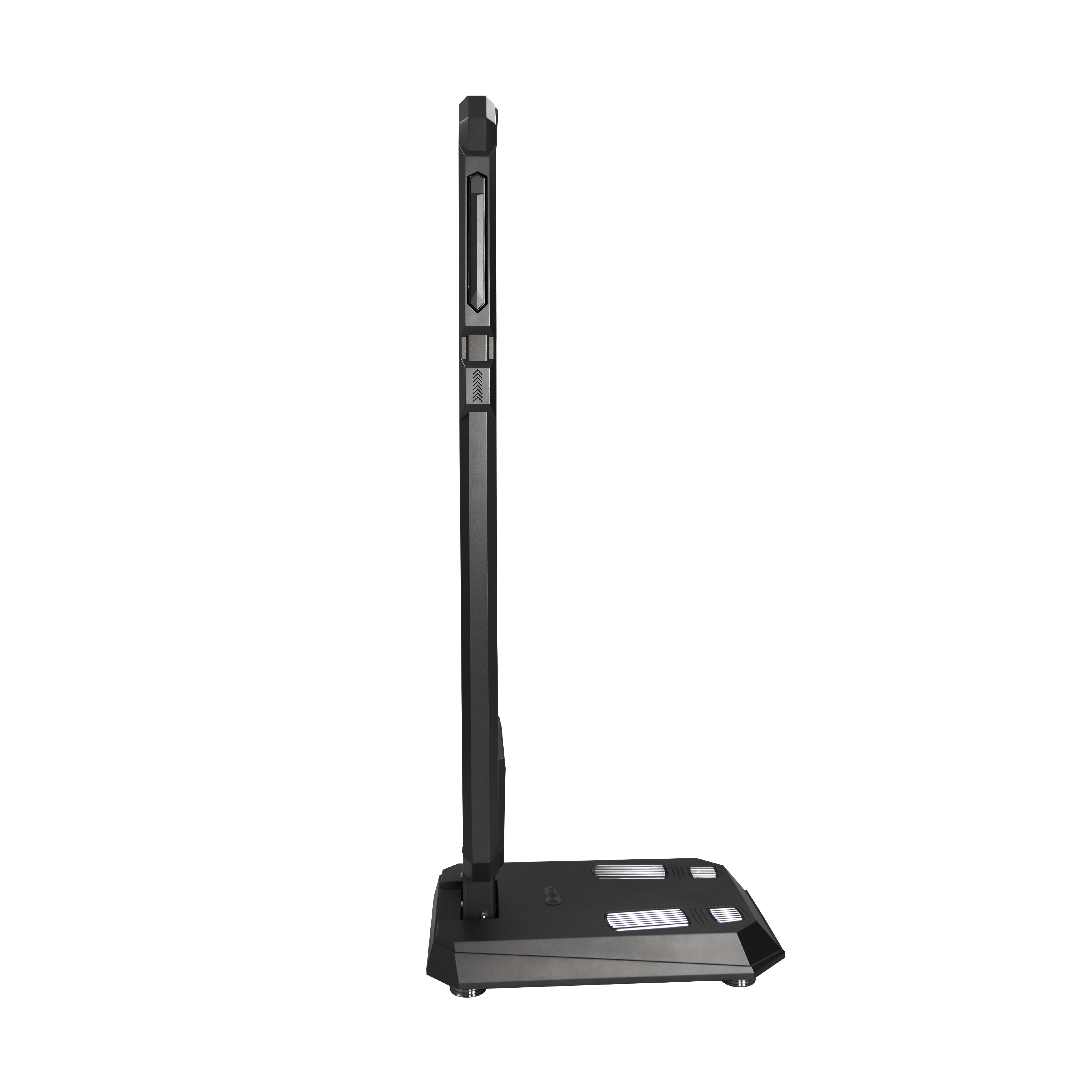
Understanding accurate height and weight data is crucial for the functionality of BMI devices sold to clinics. These devices, which calculate Body Mass Index (BMI) from height and weight inputs, play a significant role in patient assessments and health monitoring. For B2B buyers, particularly purchasing managers and clinic administrators, ensuring the accuracy of these measurements can directly impact patient care and treatment outcomes. This article will explore why accurate height and weight data matters for BMI devices, key specifications to consider, sourcing high-quality devices, common problems, and applications of accurate BMI data in clinical settings.
Understanding the Importance of Accurate Height and Weight for BMI Devices
Accurate height and weight measurements are fundamental for BMI devices, as they form the basis for calculating an individual's BMI. An inaccurate reading can lead to misclassification of weight status, which may affect clinical decisions regarding patient management. For example, an overweight classification based on erroneous data could lead to unnecessary dietary restrictions or lifestyle changes, while an underweight classification might overlook essential nutritional support.
Clinics and healthcare providers rely on BMI as a screening tool for potential health issues linked to body weight. Thus, ensuring that BMI devices provide accurate height and weight inputs is not just a matter of precision; it is a matter of patient safety. Clinics should prioritize sourcing BMI devices that utilize advanced technologies, such as Bioelectrical Impedance Analysis (BIA) and AI-driven systems, to enhance measurement accuracy.
Key Specifications to Consider
When evaluating BMI devices, several specifications should be prioritized:
Measurement Range and Precision: Devices should be capable of accurately measuring a broad range of heights and weights, with a precision that minimizes the margin of error. Consider devices that offer digital displays for easy reading and enhanced accuracy.
Calibration: Regular calibration is essential for maintaining measurement accuracy. Ensure the device has a straightforward calibration process and check if the manufacturer provides guidelines or services for routine calibration.
Data Management: Look for BMI devices that integrate well with electronic health records (EHR) systems. This allows for seamless data tracking and management, providing clinicians with a comprehensive view of patient progress over time.
Durability and Maintenance: Given the frequent use in clinical settings, devices should be robust and easy to maintain. Check the materials used in construction and the manufacturer's recommendations for maintenance routines.
Compliance and Certifications: Verify that the BMI device complies with relevant medical standards. Certifications, such as ISO9000, indicate adherence to quality management principles, ensuring reliability in clinical applications.
By focusing on these specifications, clinics can ensure that they select BMI devices that meet their operational needs and enhance patient care.
Where to Source High-Quality BMI Devices for Your Clinic Needs
Sourcing high-quality BMI body scan devices involves evaluating potential suppliers' expertise and product offerings. Here are key considerations:
Manufacturer Reputation: Investigate manufacturers who specialize in health and sports testing, like Youjoy Health. Their experience in integrating technologies such as BIA and AI into their devices can provide a competitive edge in accuracy and functionality.
Customization Capabilities: Some manufacturers offer customization options that allow clinics to tailor devices to their specific needs. This might include specialized features, branding, or unique data management systems.
Quality Assurance: Look for manufacturers who prioritize quality control and have robust processes in place. This can include testing protocols, feedback mechanisms from clinics, and a history of successful deployments in similar settings.
Support and Training: Evaluate the level of support offered post-purchase. Reliable manufacturers will provide training for staff on how to use the devices effectively, as well as ongoing technical support.
Cost Considerations: While pricing is a crucial factor, it is essential to balance cost with quality and reliability. Assess total cost of ownership, including maintenance and potential upgrades, to make a well-informed decision.
By carefully selecting suppliers who meet these criteria, clinics can ensure they acquire reliable BMI devices that enhance operational efficiency and patient care.
Common Problems with BMI Devices and Effective Solutions
Even the best BMI devices can encounter issues that affect their performance. Common problems include:
Inaccurate Readings: This may arise from improper calibration or environmental factors. Clinics should regularly calibrate their devices, and staff should be trained to ensure proper use (e. g., ensuring patients are correctly positioned).
Data Management Issues: Integration with EHR systems can sometimes be problematic. It is vital to choose devices that ensure compatibility with existing systems, as well as providing support for troubleshooting any data transfer issues.
Durability Concerns: Frequent use in a clinical setting can lead to wear and tear. Selecting robust devices made from high-quality materials can mitigate this concern. Regular inspections and maintenance can also prolong the lifespan of the devices.
User Error: Staff training is essential to avoid mistakes in measuring height and weight. Continuous education and practice can help mitigate this issue, ensuring that all personnel are familiar with device functionalities.
By addressing these common problems proactively, clinics can maintain the reliability of their BMI devices and ensure accurate patient assessments.
Applications of Accurate BMI Data in Clinical Settings and Health Assessments
Accurate BMI data has extensive applications in clinical settings, significantly impacting patient care and health assessments. Key applications include:
Patient Screening: BMI analysis machine is often used as a preliminary screening tool for obesity-related health risks. Accurate data allows healthcare providers to identify at-risk patients and implement timely interventions.
Monitoring Health Progress: Regular tracking of BMI can help clinicians monitor changes in a patient’s health status, providing insights into the effectiveness of weight management programs and other interventions.
Guiding Treatment Decisions: BMI data can influence treatment plans for various health conditions, including diabetes and cardiovascular diseases. Accurate readings ensure that treatment decisions are based on reliable information, ultimately leading to better patient outcomes.
Public Health Initiatives: On a broader scale, aggregated BMI data can inform public health policies and initiatives aimed at addressing obesity and related health concerns within populations.
In summary, the accurate collection and analysis of height and weight data through BMI devices are critical for effective health assessments in clinical settings. Investing in reliable devices and understanding their specifications can enhance patient care and operational efficiency within healthcare practices.
Table of Contents
- Understanding the Importance of Accurate Height and Weight for BMI Devices
- Key Specifications to Consider
- Where to Source High-Quality BMI Devices for Your Clinic Needs
- Common Problems with BMI Devices and Effective Solutions
- Applications of Accurate BMI Data in Clinical Settings and Health Assessments