


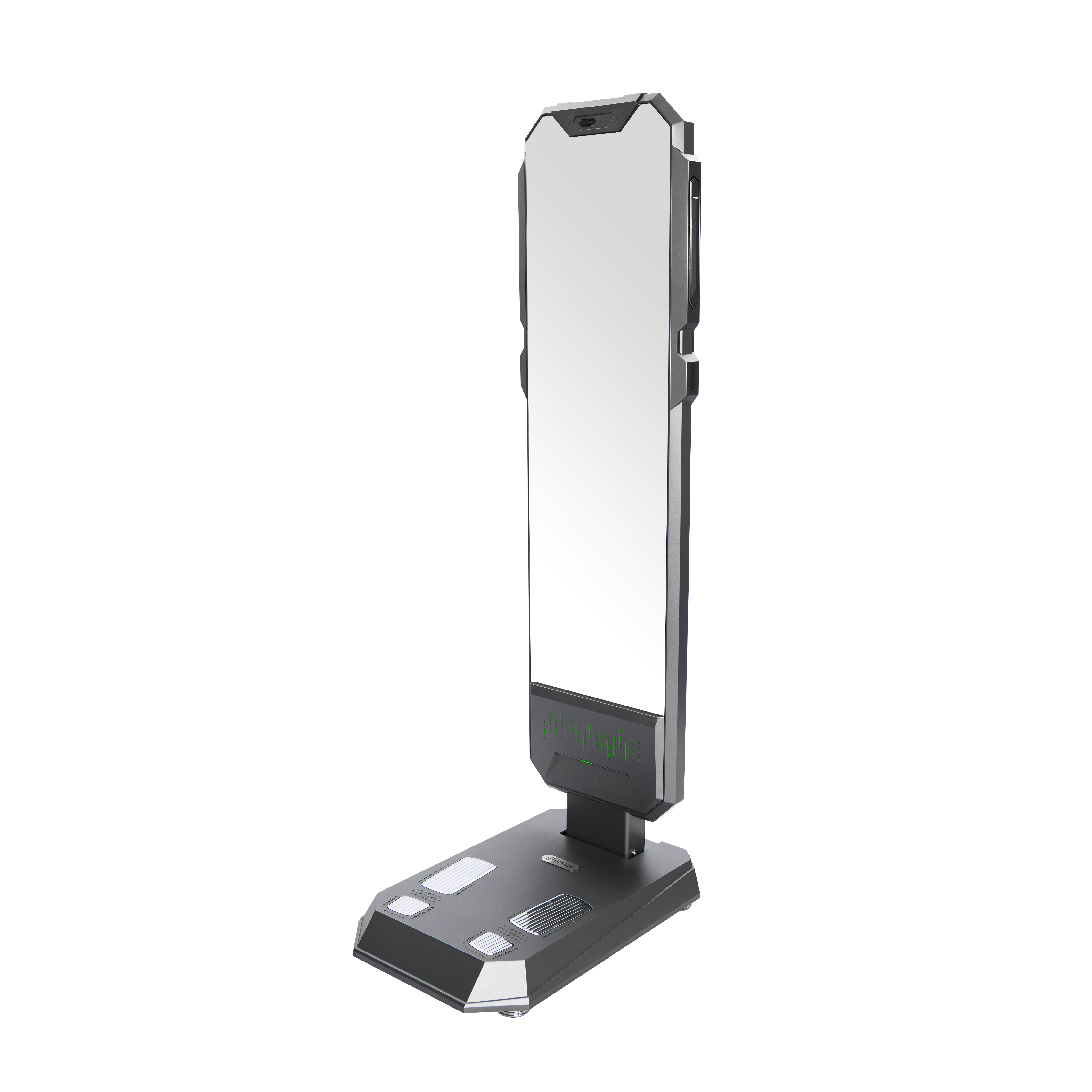


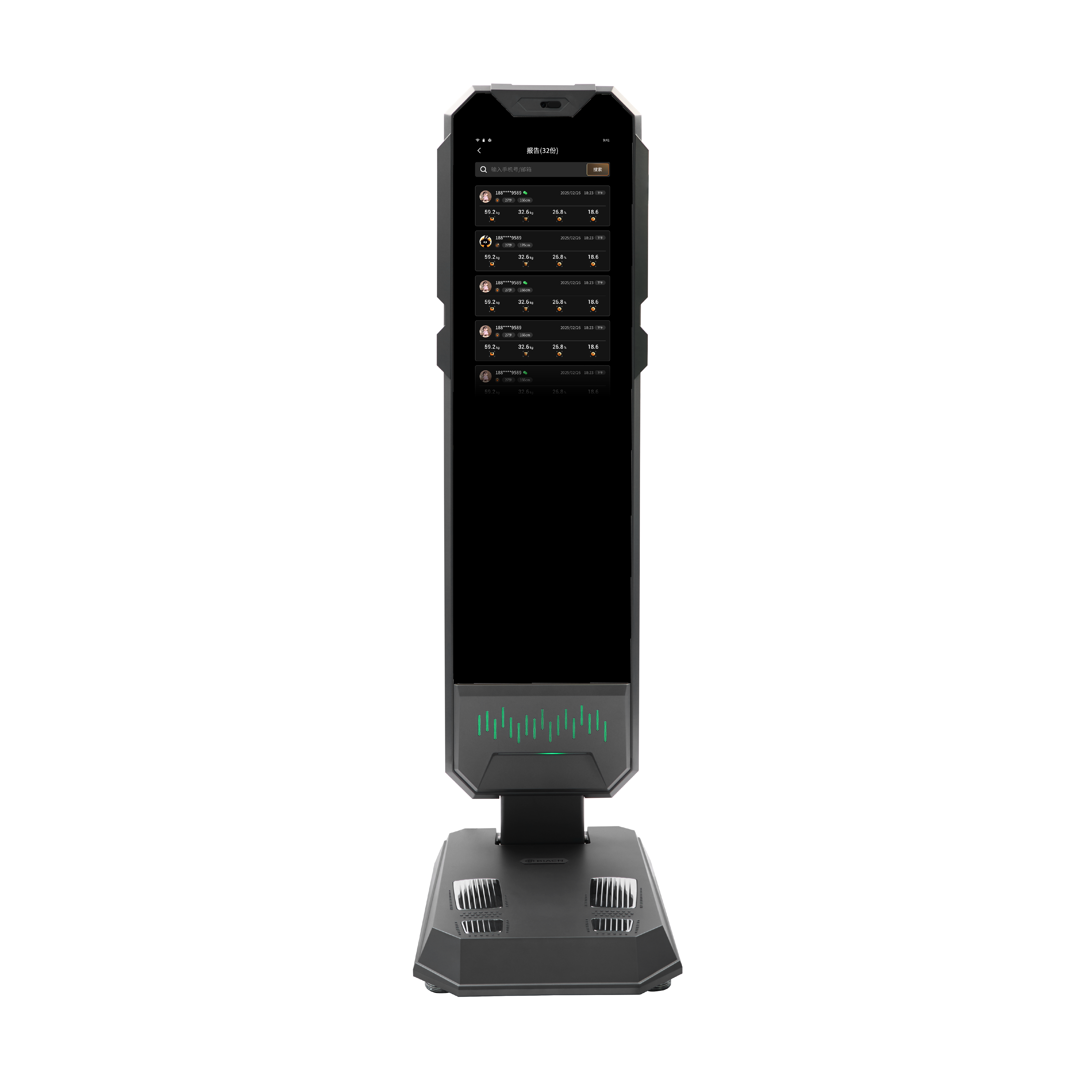
Multi-frequency Bioelectrical Impedance Analysis (BIA) is a critical advancement in body composition scanning technology, providing precise insights into health and fitness metrics. For B2B buyers, such as purchasing managers and product distributors, understanding the capabilities and advantages of multi-frequency BIA systems is essential for making informed purchasing decisions. This article will guide you through the key specifications, selection criteria, installation challenges, cost factors, and common issues associated with multi-frequency BIA systems, empowering you to choose the right solution for your business needs.
Key Specifications to Consider for Multi-Frequency BIA Scanners
When evaluating multi-frequency BIA scanners, several specifications should be prioritized to ensure they meet your application needs. Key specifications include:
Frequency Range: Multi-frequency BIA 3D scanner typically operate at various frequencies (e. g., 5, 50, 100 kHz). Different frequencies can provide insights into different tissue types higher frequencies penetrate deeper and can help differentiate between extracellular and intracellular water content, critical for accurate body composition analysis.
Accuracy and Precision: Look for systems that provide high accuracy (within 1-2% margin of error) and repeatability. This is crucial for applications in clinical settings or for professional athletes where precise body composition tracking is fundamental.
User Interface: A user-friendly interface is essential for seamless operation, allowing users to access and interpret data easily. Look for systems with intuitive software that can generate comprehensive reports.
Data Management: Advanced data management capabilities, including cloud storage integration, can facilitate better record-keeping and sharing of body composition metrics across multiple users or locations.
Portability: Depending on your application, consider whether a portable model is needed for mobile assessments, especially in fitness or wellness environments.
Each of these specifications plays a vital role in the machine's performance and user experience, directly impacting how effectively you can use the scanner for your intended applications.
Choosing the Right Multi-Frequency BIA for Your Wholesale Needs
Selecting the right multi-frequency BIA system for wholesale involves understanding your specific requirements and the needs of your end customers. Here are some crucial factors to consider:
Target Market: Identify whether your primary customers are fitness centers, medical clinics, or wellness programs. Different markets may have varying requirements for accuracy, features, and usability.
Customization Options: Work with manufacturers that offer customization capabilities. This includes software tailoring to meet specific data reporting needs or hardware modifications that fit unique usage environments.
Volume and Pricing: Determine your expected order volume, as many manufacturers offer tiered pricing based on the quantity ordered. Discuss minimum order quantities (MOQ) to ensure they align with your purchasing strategy.
Lead Times and Support: Inquire about lead times for production and delivery, especially if you require rapid deployment. Additionally, assess the level of technical support provided post-purchase, which can be critical for troubleshooting and maintenance.
Warranty and Service Agreements: Ensure that warranties and service agreements are clear and comprehensive, as these can influence long-term maintenance costs and operational reliability.
By understanding these factors, you can better align your sourcing strategy to meet both your business objectives and the needs of your clients.
Common Installation Challenges with Multi-Frequency BIA Systems
Installing multi-frequency BIA body scan systems can present unique challenges that need to be addressed to ensure optimal performance. Common issues include:
Electrical Interference: BIA systems can be sensitive to electrical noise, which may affect measurement accuracy. Ensure that the installation environment is well-prepared, with minimal interference from other electronic devices.
Calibration Requirements: Frequent calibration may be necessary to maintain accuracy. Understanding the calibration process and how often it should be performed will help in ensuring consistent data quality.
User Training: Proper training for users is essential to maximize the system's capabilities. Investing in comprehensive training programs can mitigate user errors and enhance the overall effectiveness of the scanning process.
Space Constraints: Consider the physical space required for installation. Ensure the scanning area is sufficient to accommodate the equipment and any additional components necessary for operation.
Addressing these installation challenges proactively can lead to smoother operations and better customer satisfaction.
Cost Factors to Consider When Sourcing Multi-Frequency BIA
The total cost of acquiring multi-frequency BIA systems extends beyond the initial purchase price. Important cost factors to consider include:
Initial Purchase Price: Compare prices from different suppliers, considering the specifications and features offered. Remember that cheaper models may not provide the desired accuracy or functionality.
Maintenance and Support Costs: Factor in ongoing maintenance, calibration, and potential repairs. Some manufacturers may offer service contracts that can help manage these costs effectively.
Software Licensing Fees: Some BIA systems come with proprietary software that may require additional licensing fees. Clarifying these costs upfront will help in budgeting accurately.
Training Costs: If extensive training is necessary for your team, include these costs in your total budget. Investing in training can yield higher returns through improved usage efficiency and data accuracy.
Shipping and Handling: Depending on the location of the supplier, shipping costs can vary significantly. Ensure that these costs are accounted for in your overall purchasing decision.
Understanding these cost factors will help you better prepare your budget and avoid unexpected expenses.
Solutions for Common Issues in Multi-Frequency BIA Usage
Even with high-quality multi-frequency BIA systems, users may encounter common issues. Here are some solutions to address them:
Inconsistent Measurements: Fluctuations in measurements can occur due to hydration levels or improper positioning of the subject. To minimize variability, ensure users are informed about pre-measurement protocols, such as avoiding food and drink before testing.
Data Interpretation Challenges: Users may struggle to interpret results accurately. Providing comprehensive training and easy-to-understand reporting tools can enhance user confidence in utilizing the data effectively.
Equipment Malfunctions: Regular maintenance and prompt attention to any malfunctioning components are crucial. Establishing a routine maintenance schedule and having a reliable point of contact for support can help prevent prolonged downtimes.
User Resistance: If staff are reluctant to adopt new technology, a demonstration of the scanner's benefits and ease of use can help overcome resistance. Engaging users early in the decision-making process can foster buy-in.
By addressing these potential issues proactively, you can maximize the effectiveness of your multi-frequency BIA scale systems and support your business objectives.
In summary, choosing the right multi-frequency BIA scanner involves careful consideration of specifications, market needs, installation challenges, cost factors, and potential usage issues. By focusing on these areas, you can make informed decisions that enhance your operational efficiency and meet your clients' expectations.
Table of Contents
- Key Specifications to Consider for Multi-Frequency BIA Scanners
- Choosing the Right Multi-Frequency BIA for Your Wholesale Needs
- Common Installation Challenges with Multi-Frequency BIA Systems
- Cost Factors to Consider When Sourcing Multi-Frequency BIA
- Solutions for Common Issues in Multi-Frequency BIA Usage