


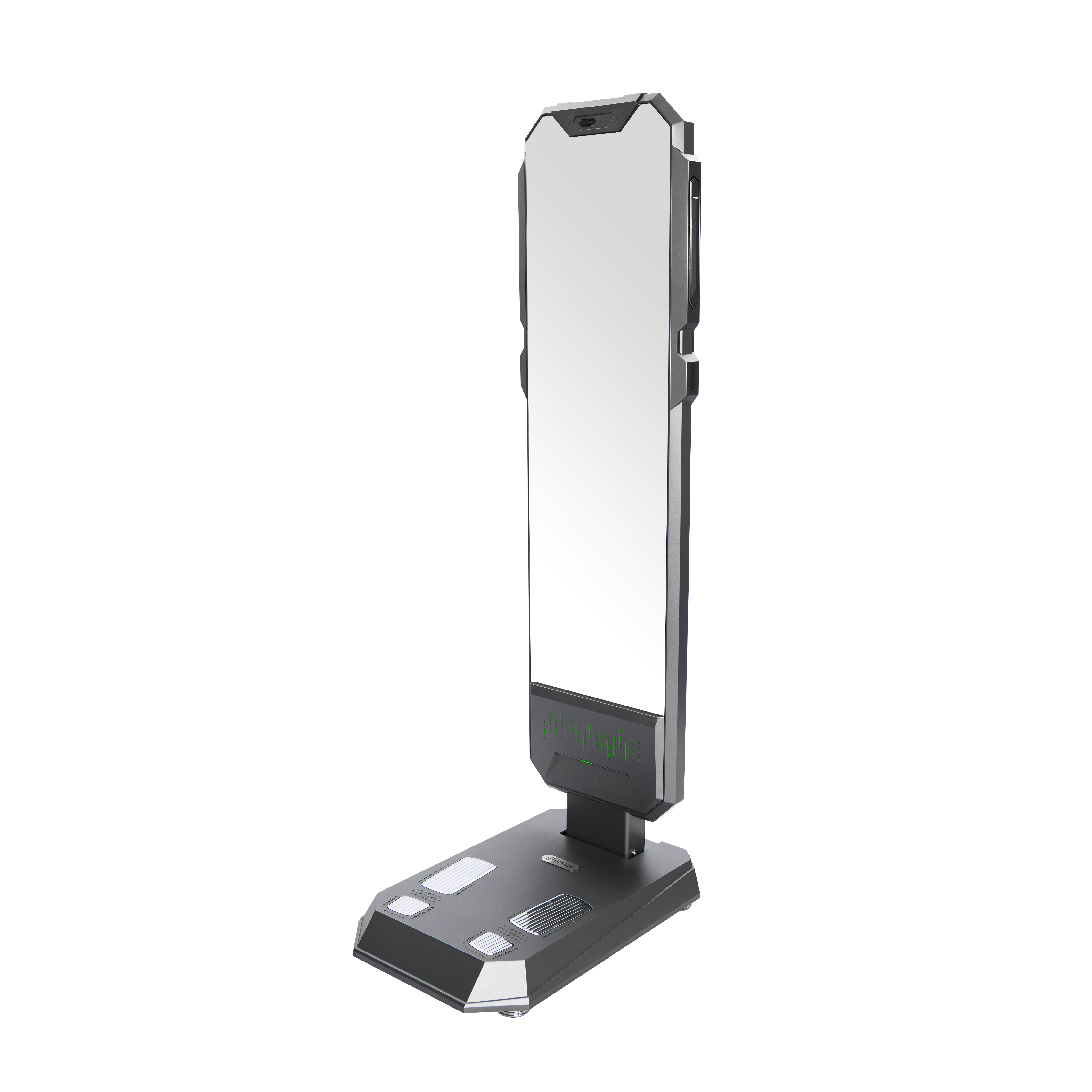


High-precision Bioelectrical Impedance Analysis (BIA) sensors are essential components in body composition scanners, significantly enhancing their marketability. These advanced sensors provide accurate measurements of body fat, muscle mass, and hydration levels, addressing key concerns for B2B buyers such as reliability, accuracy, and ease of integration. This article will explore how high-precision BIA sensors improve body composition scanning, identify reliable suppliers, outline key specifications for bulk orders, and provide guidance on selecting the right sensors for your business needs, including installation considerations. YOUJOY, the brand of Shanghai YOUJIU Health Technology Co., Ltd., is a technology company focused on intelligent human health assessment. The company develops solutions related to body composition, body posture, and body function assessment, supported by its own design and research and development team. YOUJOY has established strategic cooperation with several listed companies and has provided services across more than 100 cities in China, reaching millions of users each year. Its focus on intelligent health testing combines technologies such as IoT, cloud computing, and big data to support applications in fitness, healthcare, and education. For B2B buyers, this experience can be considered when evaluating suppliers of BIA-related equipment and health assessment solutions
How High-Precision BIA Sensors Enhance Body Composition Scanning
High-precision BIA sensors utilize electrical currents to measure the resistance and reactance of body tissues. This technology allows for highly accurate assessments of body composition by differentiating between fat mass, lean mass, and total body water. The precision of these sensors is crucial, as even minor inaccuracies can lead to significant discrepancies in health assessments, ultimately affecting customer trust and satisfaction
Moreover, high-precision BIA body scanner are designed to minimize external variables that can affect readings, such as hydration status and time of day. By ensuring consistent and reliable results, these sensors make body composition scanners easier to sell to fitness centers, health clinics, and wellness professionals. Buyers can confidently offer their clients accurate health metrics, which enhances their service offering and drives customer loyalty
Where to Find Reliable Suppliers of High-Precision BIA Sensors
Finding a reliable supplier of high-precision bia bioelectrical impedance analysis sensors requires thorough research. Start by looking for manufacturers with a proven track record in the health and fitness sector, like Youjoy Health, which specializes in intelligent health assessment technologies. It's essential to confirm that potential suppliers adhere to industry standards, such as ISO certifications, which ensure consistent quality and reliability
Trade shows and industry expos are excellent venues to meet suppliers, view products firsthand, and discuss specifications with knowledgeable representatives. Online marketplaces and industry-specific directories can also provide valuable insights into supplier reputations through reviews and ratings. Always request samples to evaluate the quality and performance of sensors before placing bulk orders
Key Specifications for Evaluating BIA Sensors in Bulk Orders
When evaluating BIA sensors for bulk orders, several key specifications should be considered:
Measurement Range: Ensure the sensors can accurately measure a wide range of body compositions, accommodating different body types and sizes
Accuracy and Precision: Look for sensors with a low margin of error, typically expressed as a percentage. This is crucial for ensuring reliable readings
Integration Compatibility: Sensors should easily integrate with existing body composition scanners or software systems. Confirm compatibility with your current technology
Calibration and Maintenance Requirements: Understand how often the sensors require calibration to maintain accuracy and what maintenance is necessary to ensure optimal performance
Durability and Longevity: Consider the materials used in the sensors. High-quality sensors should be robust enough to withstand regular use in commercial environments
Buyers should also inquire about the lead time for bulk orders, as this can impact inventory management and service delivery
How to Choose the Right BIA Sensors for Your Business Needs
Selecting the right bioelectrical impedance analysis bia device sensors depends on several factors specific to your business needs:
Application: Determine whether the sensors will be used in a clinical setting, fitness center, or wellness program. Different applications may require varying levels of accuracy and features
User Base: Consider the demographic of your clients. If you serve a diverse population, select sensors that accommodate a broad range of body types and conditions
Budget: Balance quality with budget constraints. While it may be tempting to choose the lowest-cost option, investing in higher-quality sensors can lead to better long-term returns
Customization Options: Some manufacturers offer customization in terms of software integration or additional features. Evaluate whether these options align with your business strategy
To ensure the best fit, request technical specifications, and user manuals from suppliers, and consider conducting a pilot test with a small group of sensors before committing to a large order
Installation Guidance for High-Precision BIA Sensors in Your Facility
Proper installation of high-precision BIA sensors is critical for achieving accurate readings. Here are some key considerations:
Location: Install the sensors in a controlled environment, free from electromagnetic interference. This will enhance the accuracy of the measurements
Calibration: Follow the manufacturer's guidelines for initial calibration. This typically involves setting baseline measurements and ensuring the sensors are functioning correctly
User Training: Provide training for staff on how to use the sensors effectively. Proper usage techniques can significantly impact the accuracy of the readings
Maintenance Schedule: Establish a regular maintenance schedule to check and recalibrate the sensors as required. This ensures they remain in optimal working condition, providing reliable results over time
By following these installation guidelines, businesses can maximize the performance and lifespan of their high-precision BIA sensors, ultimately leading to better service delivery and customer satisfaction
Integrating high-precision BIA sensors into body composition scanners not only enhances the accuracy of health assessments but also makes these scanners more appealing to B2B buyers. By understanding the specifications, choosing the right suppliers, and ensuring proper installation, businesses can leverage these advanced sensors to improve their service offerings and drive growth.
Table of Contents
- How High-Precision BIA Sensors Enhance Body Composition Scanning
- Where to Find Reliable Suppliers of High-Precision BIA Sensors
- Key Specifications for Evaluating BIA Sensors in Bulk Orders
- How to Choose the Right BIA Sensors for Your Business Needs
- Installation Guidance for High-Precision BIA Sensors in Your Facility