


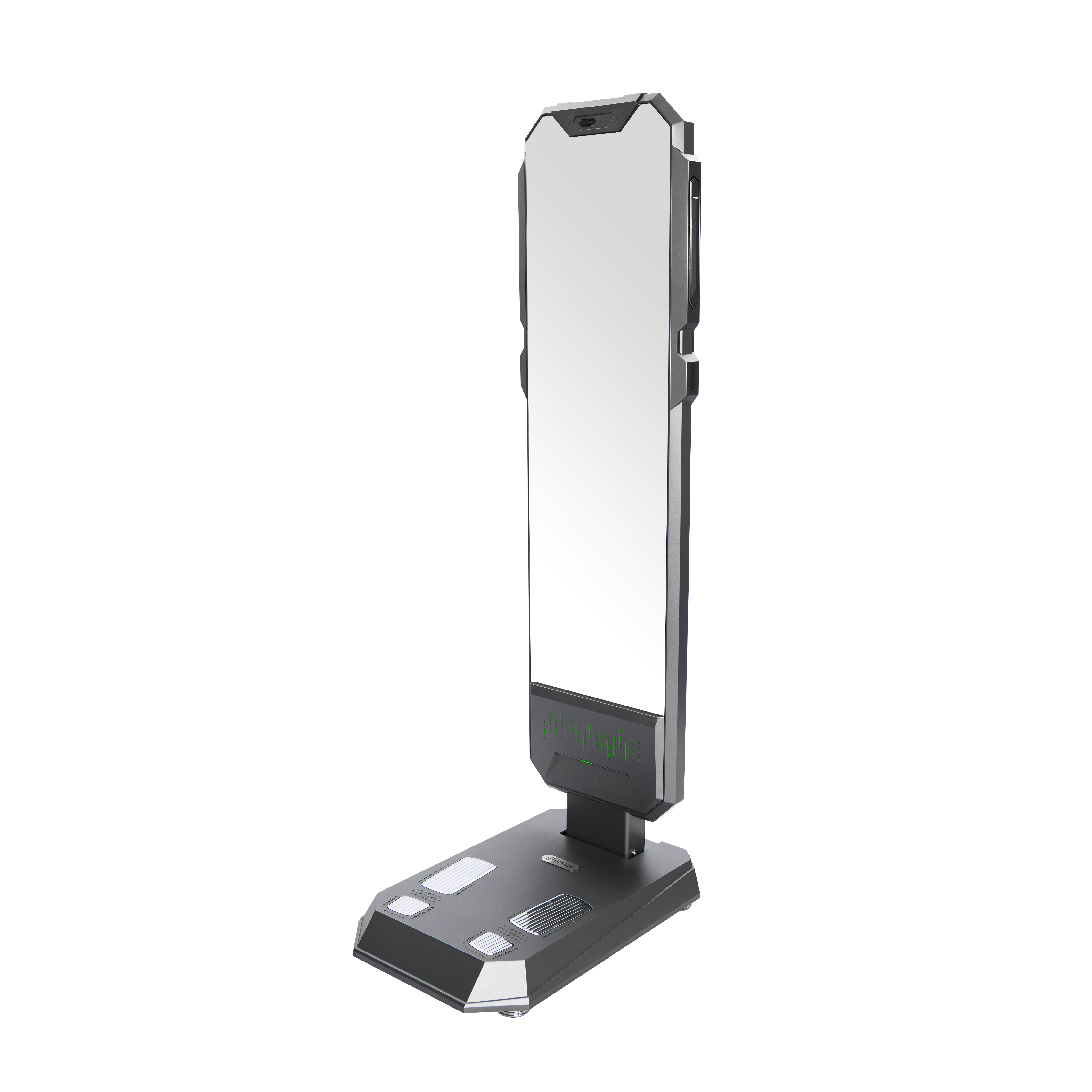



Optical sensor integration plays a pivotal role in enhancing multifunctional body composition systems, especially in the health and sports testing industry. As companies like Youjoy Health X- ONE PRO leverage advanced technologies such as Bioelectrical Impedance Analysis (BIA), artificial intelligence, and computer vision, understanding how to effectively integrate optical sensors becomes essential for maximizing the accuracy and reliability of body composition measurements. This article will address key considerations for B2B buyers, including supplier selection, specifications, quality standards, and common challenges in optical sensor technology.
Understanding Optical Sensor Integration for Body Composition Systems
Optical sensor integration involves utilizing light-based technology to collect data on body composition metrics, such as fat percentage, muscle mass, and hydration levels. This method complements traditional techniques like BIA by providing additional insights into body posture and alignment. The integration of optical sensors can enhance the precision of measurements, allowing for more robust health assessments.
One of the primary concerns for buyers is ensuring compatibility between optical sensors and existing body composition systems. Factors such as sensor type, data output formats, and integration protocols need to be assessed. Buyers should also consider the calibration requirements, as accurate readings depend on correct sensor calibration and model compatibility. Understanding these integration aspects can help streamline the purchasing process and enhance system performance.
How to Choose Reliable Suppliers for Optical Sensor Solutions
Selecting a reliable supplier for optical sensor solutions is crucial for ensuring product quality and performance. Key considerations include evaluating the supplier's manufacturing capabilities, certifications, and previous experience in the industry. Buyers should look for suppliers with ISO9000 compliance, as this indicates adherence to international quality management standards.
Additionally, it is essential to assess the supplier's responsiveness and ability to meet customization requirements. Optical sensors may need specific adjustments based on the application context, which can only be achieved through collaborative discussions with the supplier. Engaging with suppliers who provide clear communication and technical support can significantly reduce potential issues during the integration process.
To ensure a successful partnership, buyers should request references or case studies from previous clients. This can help gauge the supplier's ability to deliver reliable products that meet performance specifications and quality standards.
Key Specifications for Multifunctional Body Composition Sensors
When evaluating multifunctional body composition sensors, several key specifications should be prioritized:
Wavelength Range: The wavelengths used by the optical sensors can affect the accuracy of measurements across different body types. Buyers should understand how the wavelength affects absorption rates for various tissues.
Resolution and Sensitivity: These specifications determine the sensor's ability to detect minute changes in body composition. Higher resolution and sensitivity often lead to more accurate assessments.
Integration Compatibility: It's crucial to verify that the optical sensors can seamlessly interface with existing systems. This includes ensuring compatibility with data analytics software and display devices.
Durability and Environmental Resistance: Depending on the intended use, factors such as moisture resistance and temperature tolerance may be critical. Buyers should ensure the sensors can operate reliably in the specified environments.
Understanding these specifications will empower buyers to make informed decisions and select sensors that align with their operational needs.
Evaluating Quality Standards in Optical Sensor Manufacturing
Quality standards play a vital role in the production of optical sensors. Buyers should look for manufacturers that implement rigorous quality control processes throughout the production cycle. This includes inspections at various stages, from raw material selection to final assembly.
Additionally, certifications such as ISO9001 and compliance with relevant industry standards indicate a commitment to quality. Manufacturers should provide documentation of their certification status and quality management processes.
Buyers should also inquire about the testing protocols used for the optical sensors. This may include performance testing under different environmental conditions to ensure reliability. Understanding these quality standards will help mitigate risks associated with sensor failure and improve overall system performance.
Common Problems with Optical Sensors and Effective Solutions
Despite advancements in optical sensor technology, several common issues can arise during integration:
Calibration Errors: Inaccurate calibration can lead to erroneous readings. To mitigate this, buyers should establish a routine calibration schedule based on the manufacturer's recommendations and operational demands.
Interference from External Light Sources: Optical sensors can be sensitive to ambient light, which can distort measurements. Implementing protective housing or using sensors designed for specific lighting conditions can help address this issue.
Data Compatibility Issues: When integrating sensors with existing systems, discrepancies in data formats can occur. Buyers should ensure that data output specifications from the sensors align with their software requirements to avoid complications.
By proactively addressing these common problems, buyers can streamline the integration process and enhance the functionality of their body composition systems.
In summary, understanding optical sensor integration is crucial for enhancing multifunctional body composition systems. By focusing on supplier selection, key specifications, quality standards, and common challenges, B2B buyers can make informed decisions that align with their operational goals. Additionally, leveraging the experience of reputable manufacturers like Youjoy Health X-ONE SE, known for their expertise in sports and health testing, can provide further assurance of quality and reliability in optical sensor solutions.
Table of Contents
- Understanding Optical Sensor Integration for Body Composition Systems
- How to Choose Reliable Suppliers for Optical Sensor Solutions
- Key Specifications for Multifunctional Body Composition Sensors
- Evaluating Quality Standards in Optical Sensor Manufacturing
- Common Problems with Optical Sensors and Effective Solutions