


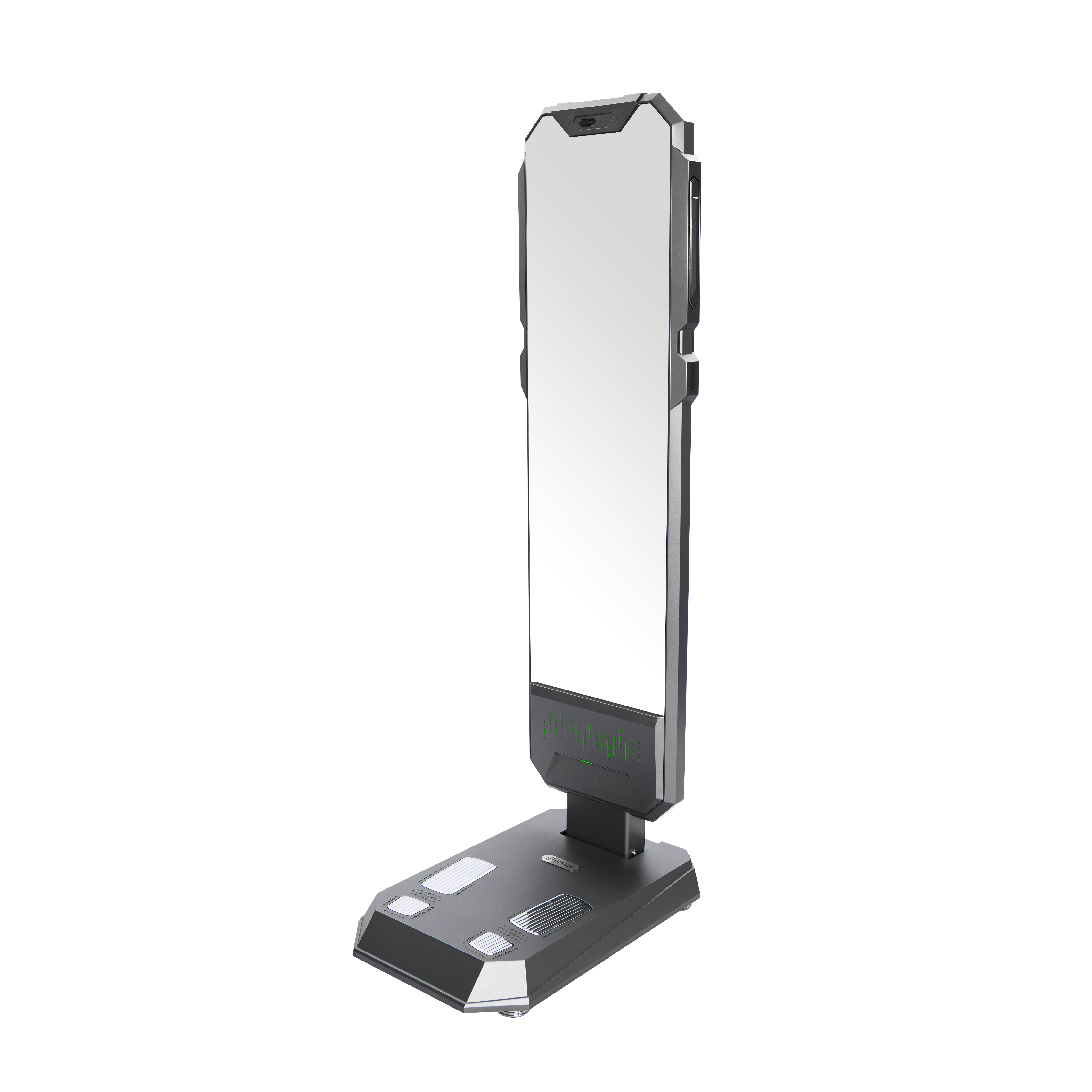


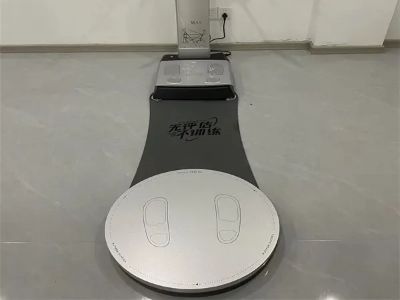
And in health & sports testing, we need body weight composition machine to accurately analyze body composition and calculate BMI. In this article, we'll look at the role filtering technology plays in improving weight stability and reliability, tackling the top priorities of B2B buyers – accuracy, supplier reliability, and guidance on installation. We'll then walk through the requirements, considerations, and use cases for filtering technology, providing the buying managers, engineers, and product managers out there with the essential insights.
Four specifications manufacturing facilities should be tracking for trustworthy weight data
Whether you're displaying weight data on a large scale or accurately recording weight, you need to keep a list of certain specifications in mind. This list is:
Measurement range: The Weighing System should cater for different body weights. The Body Composition Analyzer system needs to be used for a variety of people, as it isn't only for athletes.
Resolution and accuracy: High-resolution sensors are essential when looking for subtle differences in weight. Accuracy has an impact on the accuracy of BMI calculations and body composition measurements. Pick scales that offer a resolution of at least 0.1 kg if you want to achieve the best results.
Filtering Technology: Sophisticated filtering algorithms can improve resolution by reducing the influence of ambient noise and Transients, which is crucial in environments such as gymnasiums, clinics, and other places where movement creates vibratory interference.
Data Output Format: Will the weight data be compatible with current medical management information systems and be able to be placed into an existing analysis software?
Calibration Needs: Find out if the meter needs to be calibrated frequently and if it can be calibrated in the field. Over time, calibration ensures that your measurements remain reliable.
These specifications allow buyers to choose equipment that is suitable for the standards of the business and will provide trustworthy weight data for accurate health assessments. 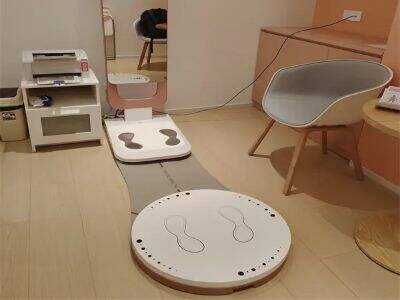
Ensuring Supplier Reliability
How do you choose a quality supplier to ensure quality filtering technology?
Industry Focus Working with a manufacturer such as Youjoy Health-experts in sports and health testing-gives peace of mind that they know what they are doing. Working alongside a national sports technology park adds assurance.
Certifications: Find vendors who are compliant with international regulations such as ISO9000 standards. This shows the company cares about quality and ongoing advancements.
Customer Support: What kind of technical support and customer service is provided? A customer-supporting supplier can help you work through any installation or operational issues.
Track Record: Explore feedback from customers and case studies that show how their technology has been successfully implemented, which can help you assess their reliability.
Warranty and Maintenance: Warranty and maintenance: See if the supplier offers a wide range of warranty and maintenance options. This can save you money over the life of the products and may be able to provide continued assistance.
Effective supplier reliability assessments can reduce the risk of buying and result in a painless procurement process.
Installation of Advanced Filtering Technology for Health Devices
To equip your health devices with superior filtering technology, it takes planning. Follow this set of steps to get your device working at its best.
Location Preparation: Verify that the surroundings are free of unnecessary vibrations and ambient noise which might impact the weighing data, such as the flooring, other equipment, and so on.
Technical Requirements: Connecting the device to the power sources and data systems in accordance with the manufacturer's instructions. To check the correctness of the connection and the device calibration.
Testing: Conduct test measurements after installation and verify that it is accurate. Compare the test measurements with references and make sure the system is fine.
System handling: Ensure that your staff is trained to handle the system, read and interpret the data, and resolve typical issues. This allows users to get the most out of your system and improve data capture.
Periodic Maintenance: Perform proper periodic maintenance as recommended by the manufacturer. This would comprise of periodical calibration, software upgrades etc.
If you follow these steps, purchasing managers can rest assured that the filtering technology is appropriately installed to provide you with true weight data.
A Buyer's Guide
Here are a few things you should keep in mind before buying weight measurement filtering equipment:
Specifications: Double-check all needed specifications as per the application. Items like measurement range, precision and data output formats should be suitable to your organization.
Customization: Manufacturers may provide customization features for targeted technology refinement. Confirm with the potential supplier if the technology can be customized to suit special application needs.
Cost: Ask about the overall costs of a product, noting any costs that might be incurred with training, installation and maintenance. Obtain quotes from several vendors for comparison.
Lead Time: Ask what the lead time for manufacturing and delivery is. This is especially vital if the technology will be used for a project with a deadline.
Sample Approval: Ask for a sample or prototype to test prior to ordering for you to check performance in the field.
Make Sure Your Cost is Competitive: Determine the exact pice you want to pay for your application with is and want to buy it as how much.
In weighing these factors carefully, buyers will be able to select the equipment that best meets both their budget and the objectives of their operation.
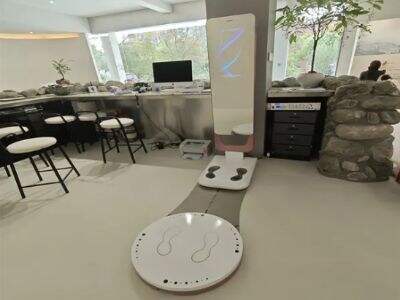
Use of Filtering Technologies in Precise Body Composition Measurement
Filtering Technology is a valuable tool that will increase the accuracy of any body composition test. It can be used for the following:
Bioelectrical impedance analysis (BIA): With the use of filtering technologies, the BIA works to eliminate noise and only accesses data that is important. This then makes its fat and muscle mass reading more reliable.
Posture Evaluation: For body composition and weight, filtration can increase the precision of systems used to determine posture and body alignment, especially in sports medicine or physical therapy applications.
Fitness & Health Tracking: Fitness applications rely on the accuracy of weight data. With filtering technology, the effects that outside factors may have on weight machine fat analysis can be eliminated, providing users with more reliable data to manage their health.
Research and Clinical Studies: For research activities where accuracy is critical, filtering technology provides accurate data, ensuring that the results of clinical studies are accurate.
AI and Machine Learning Integration: Combining filtering technology with AI allows manufacturers to create smarter and more refined health assessment tools that adapt and learn from data trends for higher accuracy.
Adding filtering to health devices, will improve the body composition values, improve the overall experience, and come hand-in-hand with better health.
Once you are familiar with the applications of your Buyer's device, you will be able to value your investment into a machine with cutting edge filtering technology to your health check.