


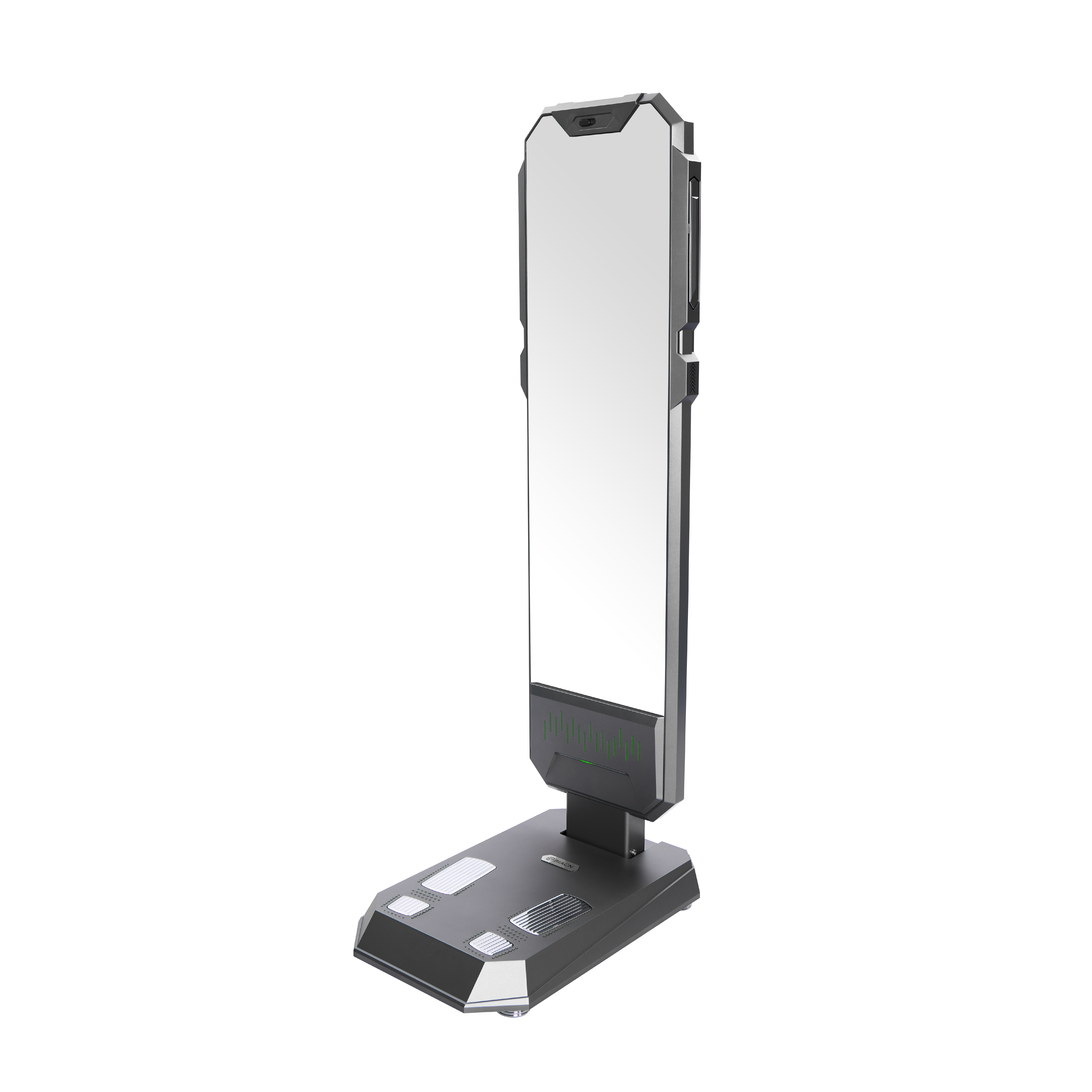


In the evolving landscape of connected health devices, real-time BMI calculation stands out as a critical feature for distributors looking to enhance their product offerings. This technology not only provides immediate insights into body composition but also addresses key buyer concerns such as accuracy, reliability, and compatibility with existing health management systems. We will explore the essential specifications for health device buyers, how to select the right real-time BMI calculation device, factors to consider for distribution, cost implications, and reliable sources for BMI calculation equipment.
Key Specifications for Health Device Buyers
When evaluating real-time BMI calculation devices, several specifications play a pivotal role in determining their effectiveness and suitability for various applications. Key specifications include:
Accuracy and Precision: Look for devices that provide a high degree of accuracy in BMI calculations. This can often be assessed through the technology used, such as bioelectrical impedance analysis (BIA) or advanced computer vision techniques. The accuracy of the BMI readings is crucial, especially when the device is intended for clinical or fitness settings.
User Interface and Connectivity: A user-friendly interface facilitates ease of use for both consumers and professionals. Additionally, devices that integrate seamlessly with mobile applications or health management systems via Bluetooth or Wi-Fi can significantly enhance user experience and data management.
Data Storage and Management: The ability to store and manage data efficiently is essential. Look for devices that allow for easy data export, either through cloud services or direct downloads, enabling users to track progress over time and share information with healthcare providers.
Durability and Compliance: Ensure that the bia body fat device meet relevant safety and quality standards, such as ISO9000 compliance, which guarantees that the products are manufactured under strict quality control processes. This is particularly important for distributors who need to assure their customers of the reliability and safety of the equipment.
By focusing on these specifications, health device buyers can make informed decisions that align with their operational needs and consumer expectations.
How to Choose the Right Real-Time BMI Calculation Device for Your Needs?
Selecting the right real-time BMI calculation device involves several considerations that extend beyond basic specifications. Here are some key steps to guide the selection process:
Assess Application Requirements: Determine the primary use cases for the device. Are you targeting fitness centers, clinics, or home users? Each application may require different features, such as portability for home use or enhanced accuracy for clinical settings.
Evaluate Technology: Investigate the underlying technology of the BMI calculation device. Devices utilizing BIA technology can provide more detailed body composition analysis, while those using simpler algorithms may be sufficient for basic BMI calculations. Understanding the technology will help you match the best bioelectrical impedance analysis device capabilities to your target market.
Consider Integration Options: For distributors, it’s essential to consider how the device will integrate with other health monitoring systems. Look for devices that offer APIs or are compatible with popular health management platforms to enhance their value proposition.
Review Customer Feedback and Case Studies: Seek insights from existing users or case studies to understand the performance and reliability of the devices. This feedback can provide valuable information on any potential issues or considerations that may not be evident from specifications alone.
By following these steps, buyers can ensure they select a real-time BMI calculation device that meets their specific needs and enhances their product lineup.
What to Look for in BMI Calculators for Distribution?
When distributing BMI calculators, it is crucial to consider several factors that can affect performance and marketability. Here are key aspects to evaluate:
Customization Options: Distributors often face diverse client needs. Look for manufacturers that offer customization capabilities, such as branding options or tailored features that can cater to specific market segments. This flexibility can help differentiate your product offerings.
Warranty and Support: A robust warranty and reliable customer support are critical for distributors. Ensure that the manufacturer provides adequate support, including troubleshooting and maintenance guidance. This can enhance customer satisfaction and reduce the burden on distributors.
Cost-Effectiveness: Analyze the overall cost of the device, including purchase price, potential maintenance costs, and any subscription fees for software updates or data management services. Understanding the total cost of ownership will help you assess the device's market competitiveness.
Market Trends and Regulations: Stay informed about market trends and regulatory requirements related to health devices. This knowledge will enable you to select products that not only meet current market demands but also comply with any necessary health regulations.
By focusing on these areas, distributors can select BMI calculators that are not only effective but also appealing to their target market.
Cost Factors for Real-Time BMI Devices
The cost of real-time BMI calculation devices can vary significantly based on several factors. Here are the primary cost considerations to keep in mind:
Technology Type: Devices employing advanced technologies, such as AI and machine learning for enhanced analysis, may come with a higher price tag. However, these technologies can offer superior performance and additional features that justify the investment.
Manufacturing Scale: The scale of production impacts unit costs. Larger orders typically benefit from economies of scale, reducing the per-unit cost. Distributors should consider their inventory needs and negotiate with manufacturers to achieve favorable pricing for bulk purchases.
Customization and Features: Additional features and customization options will influence pricing. Buyers should weigh the benefits of these features against their costs and determine whether they align with customer expectations and market demands.
Shipping and Handling: Don’t overlook shipping and handling costs, especially for international orders. Understanding these costs upfront will help in budgeting and pricing strategies.
By taking these factors into account, buyers can better understand the pricing landscape and make informed purchasing decisions.
Reliable Sources for BMI Calculation Equipment
Finding reliable sources for BMI calculation equipment is essential for ensuring product quality and performance. Here are ways to identify trustworthy suppliers:
Industry Associations and Trade Shows: Engage with industry associations and attend trade shows to meet manufacturers and suppliers in person. This interaction can provide insights into their reputation and product offerings.
Certifications and Compliance: Verify that potential suppliers hold relevant certifications and comply with industry standards. This can help assure buyers of the product quality and the manufacturer's commitment to excellence.
Reviews and Testimonials: Seek out reviews and testimonials from other distributors or end-users. Positive feedback can be a strong indicator of a supplier's reliability and the effectiveness of their products.
Direct Manufacturer Relationships: Establishing direct relationships with manufacturers, especially those like Youjoy Health that specialize in advanced health testing technologies, can provide better pricing, support, and insight into product innovations.
By leveraging these sources, buyers can confidently select BMI calculation equipment that meets their quality standards and market demands.
Real-time BMI calculation is not just a feature; it is a critical component of connected biological impedance analysis device that can significantly enhance the value offered to consumers. By understanding the key specifications, selection criteria, cost factors, and reliable sources, distributors can position themselves effectively in the competitive landscape of health technology.